Quick answer
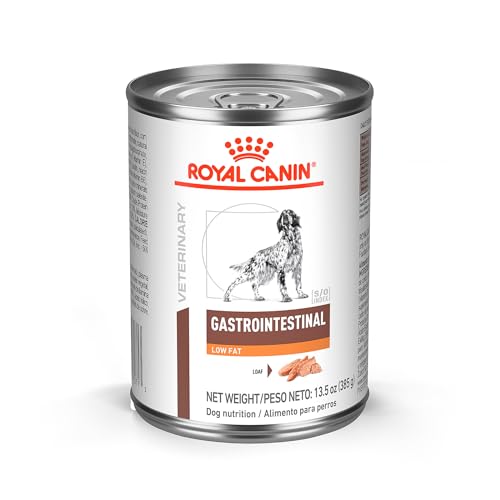
For most pancreatitis-prone dogs, Hill’s Prescription Diet i/d Low Fat Digestive Care Wet Dog Food is our top pick due to its very low fat content (under 2% on a dry matter basis) and highly digestible ingredients. If your dog does not require a prescription diet, Purina Pro Plan Veterinary Diets EN Low Fat Wet Dog Food is an excellent over-the-counter alternative with similar nutritional goals. For budget-conscious owners, Wellness Simple Natural Limited Ingredient Wet Dog Food offers a low-fat, limited-ingredient formula that supports digestive health.
What to consider for Wet Dog Food For Pancreatitis Prone Dogs
Pancreatitis in dogs requires a diet that minimizes fat intake to reduce pancreatic stimulation. Wet dog food is often preferred because it has higher moisture content, which can help with hydration and may be easier to digest. Key considerations include: fat content (ideally under 10% on a dry matter basis, but lower is better for active disease), moderate protein (around 20 to 30% dry matter), and highly digestible carbohydrates like rice or potatoes. Avoid foods with added fats, oils, or rich meat meals. Always transition slowly and consult your veterinarian before making dietary changes for a medical condition.
What to look for in a dog food
When choosing a wet dog food for a pancreatitis-prone dog, look for an AAFCO complete and balanced statement for adult maintenance or all life stages. The first ingredient should be a named meat source like chicken or turkey, but ensure the overall fat content is low. Aim for crude fat around 2 to 8% on a dry matter basis (check the guaranteed analysis and convert using moisture). Protein should be moderate, around 20 to 30% dry matter. Fiber can be beneficial for digestive health, but not too high (under 5%). Consider grain-inclusive formulas unless your vet advises grain-free. For large breeds, ensure appropriate calcium-to-phosphorus ratios, though this is less critical for wet food. Omega-3 fatty acids from fish oil can help reduce inflammation, but total fat must remain low.
How we chose these picks
- We analyzed guaranteed analysis and ingredient lists for fat and protein content.
- We prioritized products with named meat sources and limited fat sources.
- We considered digestibility and inclusion of prebiotics or probiotics.
- We selected brands with strong quality control and AAFCO feeding trials.
- We included options at different price points and availability.
- We checked for veterinary therapeutic diets when appropriate.
- We read customer reviews for palatability and digestive tolerance.
- Never ranked a product higher just because it pays a commission.
What to avoid
- Avoid foods with unnamed “meat meal” as the only protein source; it can be high in fat.
- Do not default to grain-free or legume-heavy recipes; the FDA DCM investigation is ongoing, and grain-inclusive is the safer default unless a vet advises otherwise.
- Avoid all-life-stages food for a large-breed puppy; it may have inappropriate calcium levels.
- Avoid abrupt diet switches; transition over 7 to 10 days to prevent digestive upset.
- Avoid foods with added fats, oils, or high-fat ingredients like salmon or duck.
For more guides, visit our dog guides, dog food, and dog health sections.