Quick answer
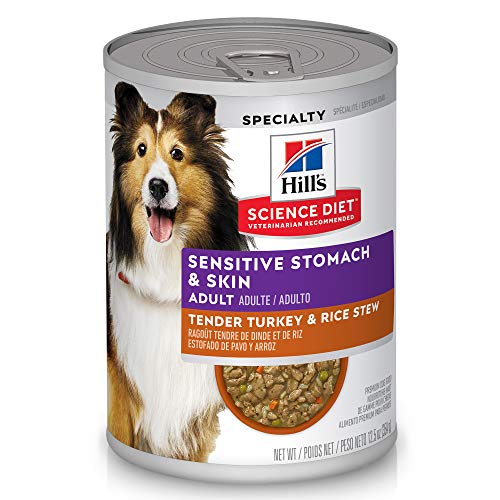
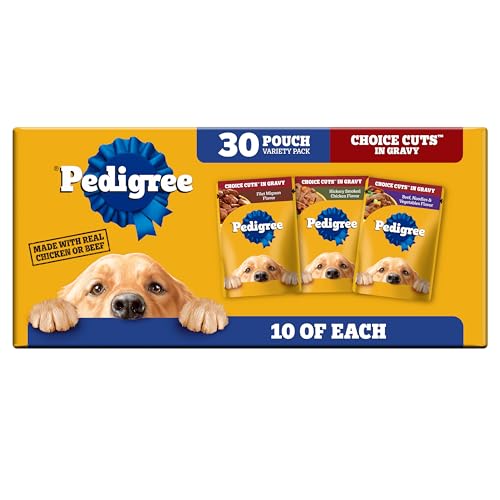
Our top pick is Purina Pro Plan Focus Adult Classic High Calorie Wet Dog Food for its high calorie density and balanced nutrition. For dogs with sensitive stomachs, Hill’s Science Diet Adult Sensitive Stomach & Skin is a strong alternative. Budget-conscious owners should consider Pedigree Choice Cuts in Gravy.
What to consider for Wet Dog Food For Weight Gain
When choosing a wet food for weight gain, prioritize calorie density (typically 400-600 kcal per can), high-quality protein from named meat sources, and moderate fat content for energy. Ensure the food is AAFCO complete and balanced for your dog’s life stage. Avoid foods with excessive fillers or unnamed meat meals. Consider your dog’s specific needs: large breeds may require larger cans or multiple servings, while small breeds need smaller portion sizes. Always consult your veterinarian before making dietary changes, especially for underweight dogs.
What to look for in a dog food
Look for an AAFCO statement confirming the food is complete and balanced for the appropriate life stage (adult, puppy, all life stages). The first ingredient should be a named meat source (e.g., chicken, beef, salmon). Protein content should be around 8-10% on a wet matter basis (or 30-40% dry matter), and fat content around 5-8% (or 15-25% dry matter). Calorie density should be clearly stated on the label. For large breed puppies, avoid all-life-stages foods unless formulated for large breeds. Joint support (glucosamine, chondroitin) and omega fatty acids (EPA, DHA) are beneficial for overall health.
How we chose these picks
- Evaluated ingredient lists for named meat sources and absence of artificial additives.
- Checked calorie density and macronutrient profiles against veterinary guidelines for weight gain.
- Verified AAFCO nutritional adequacy statements for appropriate life stages.
- Considered brand reputation and history of quality control.
- Read customer reviews for palatability and digestive tolerance.
- Compared price per calorie to ensure value.
- Consulted veterinary nutrition resources for general feeding recommendations.
- Never ranked a product higher just because it pays a commission.
What to avoid
- Avoid foods with unnamed “meat meal” as the only protein source; look for named meats like chicken meal or salmon meal.
- Be cautious with grain-free or legume-heavy recipes; the FDA is investigating a potential link to canine dilated cardiomyopathy (DCM). Grain-inclusive diets are a safer default unless your vet advises otherwise.
- Do not feed an “all life stages” food to a large-breed puppy, as it may contain improper calcium levels.
- Avoid abrupt diet switches; transition over 7-10 days by mixing increasing amounts of new food with old.
For more guidance, explore our dog guides and related categories: dog food, dog nutrition.