Quick answer
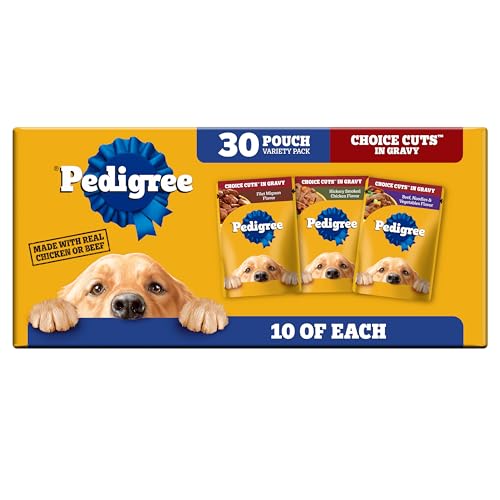
Our top pick is Hill’s Prescription Diet i/d Digestive Care Wet Dog Food because it combines soluble and insoluble fiber to promote firm, regular stools that help express anal glands naturally. For dogs with sensitive stomachs, Purina Pro Plan Focus Sensitive Skin & Stomach is a strong alternative. Budget-conscious owners can consider Pedigree Choice Cuts in Gravy, though it has lower fiber.
What to consider for Wet Dog Food For Anal Gland Issues
Anal gland problems often stem from soft or irregular stools that fail to naturally express the glands during defecation. A wet dog food with adequate fiber (both soluble and insoluble) helps produce bulkier, firmer stools. Moisture content is also key: wet food provides hydration that softens stool consistency appropriately. Look for recipes with named meat as the first ingredient, moderate fat (8 to 15% on a dry matter basis), and fiber sources like beet pulp, pumpkin, or psyllium. Avoid foods with excessive fillers or low-quality protein.
What to look for in a dog food
Choose a wet food that is AAFCO complete and balanced for your dog’s life stage (adult maintenance or all life stages). The first ingredient should be a named meat (e.g., chicken, beef, lamb) rather than a generic meat meal. Protein levels around 25 to 35% dry matter and fat around 10 to 20% are sensible for most adult dogs. For anal gland health, fiber content should be at least 3 to 5% dry matter. If your dog is large breed, ensure calcium and phosphorus levels are appropriate for bone health. Omega-3 fatty acids from fish oil can reduce inflammation.
How we chose these picks
- Evaluated fiber content and sources (soluble and insoluble) for stool firming.
- Checked AAFCO nutritional adequacy statements for appropriate life stages.
- Reviewed ingredient lists for named protein sources and absence of artificial additives.
- Considered moisture content and overall caloric density.
- Assessed brand reputation and manufacturing quality standards.
- Compared price per ounce to provide options across budgets.
- Never ranked a product higher just because it pays a commission.
What to avoid
- Foods listing an unnamed “meat meal” as the only protein source.
- Defaulting to grain-free or legume-heavy recipes without veterinary guidance due to the FDA DCM investigation.
- All-life-stages food for a large-breed puppy unless formulated for large-breed growth.
- Abrupt diet switches; transition over 7 to 10 days to avoid digestive upset.
For more guidance, visit our dog guides, dog food, and dog health sections.