Quick answer
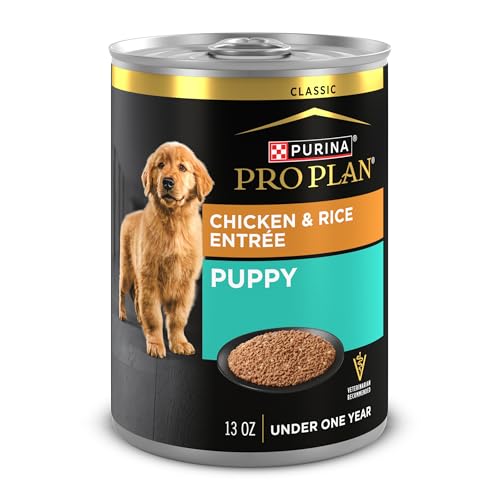
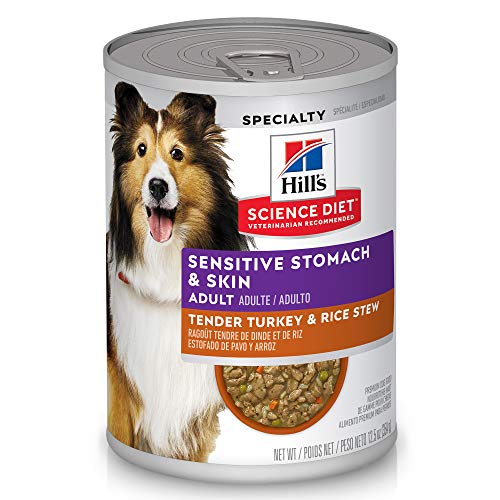
The best wet dog food for Bernese Mountain Dogs is Royal Canin Large Adult Wet Dog Food. It’s tailored for large breeds with balanced nutrients and joint support. For puppies, Purina Pro Plan Large Breed Puppy Wet Food is ideal; for sensitive stomachs, Hill’s Science Diet Sensitive Stomach & Skin Wet Food works well.
What to consider for Wet Dog Food For Bernese Mountain Dogs
Bernese Mountain Dogs are a large, slow-growing breed prone to hip and elbow dysplasia, bloat, and obesity. Their wet food should have controlled calcium and phosphorus levels to support proper bone development, moderate fat to prevent weight gain, and added glucosamine and omega fatty acids for joint and coat health. Large-breed-specific formulas are beneficial, and grain-inclusive options are generally safer than grain-free unless a vet advises otherwise.
What to look for in a dog food
Choose a wet food that is AAFCO complete and balanced for your dog’s life stage (puppy, adult, or senior). The first ingredient should be a named meat (e.g., chicken, beef). Protein should be around 8 to 10% on a dry matter basis, fat 5 to 8%, and calories 350 to 450 kcal per can. For large breeds, ensure calcium is around 1.0 to 1.5% (dry matter) and phosphorus 0.8 to 1.2%. Look for added glucosamine and chondroitin for joints, and omega-3 fatty acids for skin and coat. Avoid unnamed meat meals as the primary protein source.
How we chose these picks
- Evaluated ingredient lists for named meat proteins and whole food sources.
- Checked AAFCO statements for life stage appropriateness.
- Ensured nutrient profiles match large-breed needs (calcium, phosphorus, protein, fat).
- Prioritized brands with a history of safety and quality control.
- Considered added joint and omega supplements.
- Read verified buyer feedback for palatability and digestive tolerance.
- Compared price per ounce to ensure value.
- Never ranked a product higher just because it pays a commission.
What to avoid
- Wet foods with an unnamed “meat meal” as the only protein source.
- Defaulting to grain-free or legume-heavy recipes; the FDA DCM investigation is ongoing, and grain-inclusive is the safer default unless a vet advises.
- All-life-stages food for a large-breed puppy, as calcium levels may be too high.
- Abrupt diet switches; transition over 7 to 10 days to avoid digestive upset.
For more guidance, check out our dog guides, dog food, and dog health resources.