Quick answer
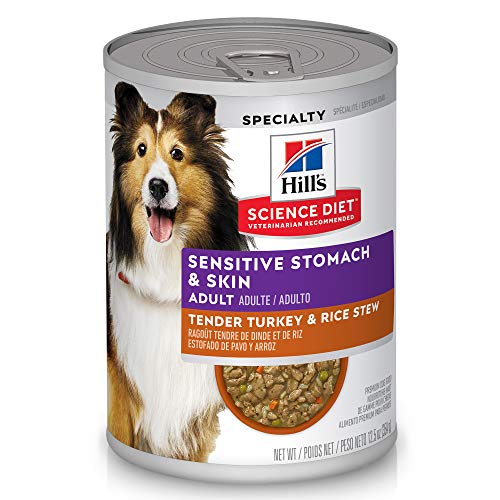
Our top pick is Hill’s Science Diet Adult Sensitive Stomach & Skin Canned Dog Food. It provides high-quality protein and omega-6 fatty acids to support skin health and a glossy coat. For dogs needing more calories or joint support, Purina Pro Plan Bright Mind Adult 7+ is a strong alternative. If you’re on a budget, Diamond Naturals Real Meat Recipe offers excellent nutrition at a lower price point.
What to consider for Wet Dog Food For Dogs With Thin Coats
Dogs with thin coats often have less insulation and may be more prone to dry skin, flakiness, or irritation. Their skin needs extra support from essential fatty acids like omega-3 and omega-6, which help maintain a healthy skin barrier and promote a shiny coat. Additionally, thin-coated breeds may have higher energy needs to regulate body temperature, so adequate protein and fat levels are important. Wet food can be beneficial because it provides moisture, which supports overall hydration and skin elasticity. Look for recipes with named meat proteins, added vitamins E and A, and avoid artificial additives that could trigger sensitivities.
What to look for in a dog food
First, ensure the food is AAFCO complete and balanced for your dog’s life stage (puppy, adult, or senior). The first ingredient should be a named meat source like chicken, lamb, or salmon. For thin-coated dogs, a moderate protein level (around 25 to 35% on a dry matter basis) and fat level (12 to 18%) are generally appropriate, but consult your vet for specific needs. Omega-3 and omega-6 fatty acids, often from fish oil or flaxseed, support skin and coat health. If your dog is a large breed, ensure the food meets large breed nutrient profiles for controlled growth. Small breeds may need smaller kibble sizes or higher calorie density. Joint support from glucosamine and chondroitin can be beneficial for active dogs with thin coats.
How we chose these picks
- Evaluated ingredient quality, prioritizing named meat proteins and whole food sources.
- Checked for omega-3 and omega-6 fatty acid content to support skin and coat.
- Selected products from reputable brands with rigorous quality control and feeding trials.
- Considered life stage appropriateness (puppy, adult, senior) and breed size suitability.
- Reviewed customer feedback for palatability and digestive tolerance.
- Ensured products meet AAFCO nutrient profiles for the intended life stage.
- Compared price per calorie to offer options across budgets.
- Never ranked a product higher just because it pays a commission.
What to avoid
- Avoid foods with an unnamed “meat meal” as the sole protein source; look for named meals like “chicken meal” instead.
- Do not default to grain-free or legume-heavy recipes unless your vet advises it; the FDA continues to investigate a potential link between grain-free diets and canine dilated cardiomyopathy (DCM). Grain-inclusive diets are generally considered safer.
- Skip all-life-stages food for large-breed puppies; they require specific calcium and phosphorus levels for healthy bone development.
- Avoid abrupt diet switches; transition gradually over 7 to 10 days to prevent digestive upset.
For more guidance, visit our dog guides, dog food resources, and dog nutrition tips.


