Quick answer
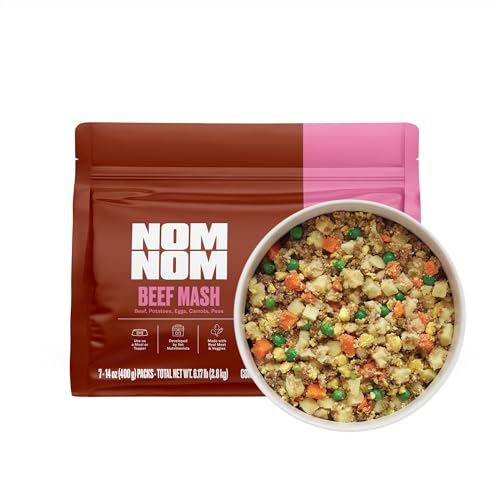
Our top pick is JustFoodForDogs Fresh Frozen Chicken & White Rice because it uses simple, whole ingredients without peas and meets AAFCO standards. For a more affordable option, The Farmer’s Dog Turkey Recipe is a solid choice. If your dog has a sensitive stomach, consider Nom Nom’s Beef Mash.
What to consider for Fresh Dog Food Without Peas
Peas are a common filler in many fresh dog foods, but some dogs may have allergies or sensitivities to them. Additionally, the FDA’s investigation into a potential link between grain-free diets (which often use peas as a substitute) and canine dilated cardiomyopathy (DCM) has led many owners to seek pea-free options. When choosing a fresh dog food without peas, look for recipes that use alternative carbohydrate sources like sweet potatoes, brown rice, or quinoa. Also consider the protein source, fat content, and whether the food is formulated for your dog’s life stage (puppy, adult, senior). Fresh foods typically have higher moisture content, which can benefit hydration but may require adjustments in feeding amounts.
What to look for in a dog food
First, ensure the food carries an AAFCO statement of nutritional adequacy for your dog’s life stage (e.g., growth, maintenance, or all life stages). The first ingredient should be a named meat (e.g., chicken, beef, turkey) rather than a meat meal. Protein levels generally range from 25% to 35% on a dry matter basis for adult dogs, while fat should be around 10% to 20%. Calorie density varies; typical fresh foods provide 300 to 500 kcal per pound. For large breed puppies, look for controlled calcium and phosphorus levels to support proper bone development. Omega-3 fatty acids from fish oil or flaxseed can support skin and coat health. Joint supplements like glucosamine and chondroitin are beneficial for senior or large breed dogs.
How we chose these picks
- Evaluated ingredient lists to ensure no peas or pea protein were included.
- Verified AAFCO nutritional adequacy statements for appropriate life stages.
- Checked for named meat as the first ingredient and whole food carbohydrates.
- Considered brand reputation, including manufacturing quality and recall history.
- Reviewed customer feedback on palatability and digestive tolerance.
- Compared price per serving to provide options across budgets.
- Never ranked a product higher just because it pays a commission.
What to avoid
- Avoid foods where the primary protein source is an unnamed “meat meal” or “poultry meal”.
- Be cautious with grain-free or legume-heavy recipes due to the ongoing FDA investigation into a potential link with DCM. Grain-inclusive recipes are generally a safer default unless your veterinarian advises otherwise.
- Do not choose an “all life stages” food for a large-breed puppy, as it may not have the proper calcium-to-phosphorus ratio.
- Avoid abrupt diet switches; transition over 7 to 10 days by mixing increasing amounts of the new food with the old.
For more guidance, check out our dog guides, dog food, and dog nutrition sections.