Quick answer
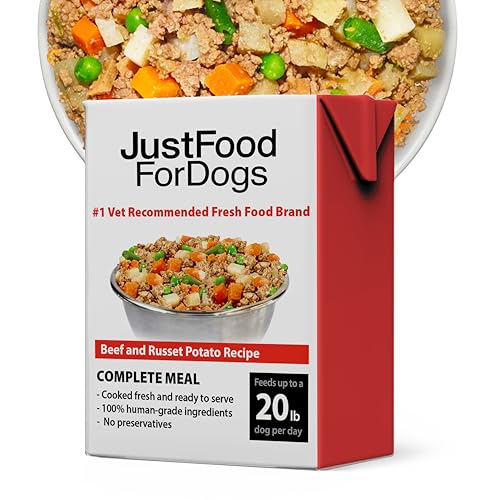
The best fresh dog food for airline travel is The Farmer’s Dog Turkey Recipe. It comes in pre-portioned, sealed packs that meet TSA liquid rules and stay fresh without refrigeration for up to 24 hours. For a more budget-friendly option, Nom Nom’s Chicken Cuisine is a close runner-up with similar convenience.
What to consider for Fresh Dog Food For Airline Travel
When traveling by air, fresh dog food must comply with TSA regulations: portions under 3.4 ounces (100ml) for carry-ons, or pack in checked luggage. Fresh food needs to stay cold; use ice packs or insulated bags. Choose recipes with moderate fat to avoid digestive upset, and ensure the food is complete and balanced for your dog’s life stage. Pre-portioned packets simplify feeding and reduce mess.
What to look for in a dog food
Look for a statement from AAFCO that the food is complete and balanced for your dog’s life stage (adult maintenance, growth, or all life stages). The first ingredient should be a named meat (e.g., chicken, beef, turkey). Protein content should be around 25 to 35% on a dry matter basis, fat 10 to 20%, and calories around 350 to 500 kcal per cup (or per pouch). For large breeds, ensure calcium and phosphorus levels are appropriate; for small breeds, smaller kibble or soft texture helps. Joint support (glucosamine, chondroitin) and omega fatty acids are beneficial for active dogs.
How we chose these picks
- Evaluated AAFCO nutritional adequacy statements for each product.
- Checked ingredient lists for named meat sources and absence of artificial preservatives.
- Considered packaging convenience for air travel (sealed, portioned, TSA-compliant).
- Reviewed calorie density to ensure easy feeding without overpacking.
- Assessed shelf stability and refrigeration requirements during travel.
- Compared price per serving to provide options for different budgets.
- Read customer feedback on palatability and digestive tolerance.
- Never ranked a product higher just because it pays a commission.
What to avoid
- Avoid foods with an unnamed “meat meal” as the primary protein source; opt for named meats like chicken or turkey.
- Do not default to grain-free or legume-heavy recipes unless advised by your veterinarian, as the FDA continues to investigate a potential link with canine dilated cardiomyopathy (DCM).
- Never feed an “all life stages” food to a large-breed puppy, as it may have improper calcium levels.
- Avoid abrupt diet switches; transition gradually over 5 to 7 days to prevent digestive upset.
For more guidance, see our dog guides, dog food, and dog nutrition sections.