Quick answer
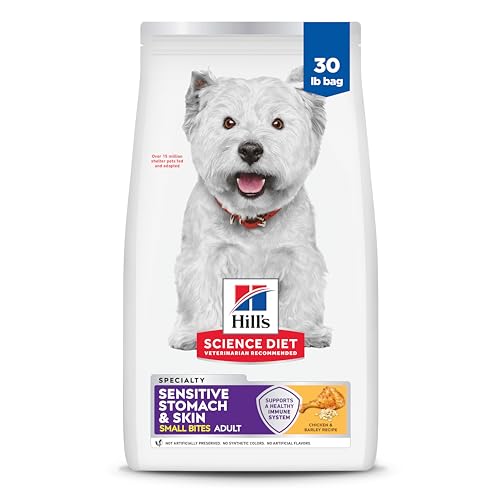
Our top pick for high protein dog food for Poodles is Purina Pro Plan High Protein Shredded Blend Chicken & Rice Formula. It offers 30% protein and 17% fat, ideal for active Poodles, with real chicken as the first ingredient. For Poodles with sensitive stomachs, consider Hill’s Science Diet Sensitive Stomach & Skin.
What to consider for High Protein Dog Food For Poodles
Poodles are an active, intelligent breed that benefits from a high protein diet to maintain lean muscle mass and support their energetic lifestyle. However, they can be prone to digestive sensitivities and skin issues, so protein sources should be high-quality and easily digestible. Additionally, Poodles come in three sizes (toy, miniature, standard) with different energy needs, so choose a formula appropriate for your dog’s size and life stage. Protein levels around 25 to 30% are generally suitable, but consult your vet for specific needs.
What to look for in a dog food
Look for a statement that the food is complete and balanced according to AAFCO for the appropriate life stage (adult maintenance or growth). The first ingredient should be a named meat source like chicken, lamb, or fish. Protein content should be in the range of 25 to 30% for active adult Poodles; fat around 12 to 18%; and calories around 350 to 450 kcal per cup, adjusting for your dog’s activity. For standard Poodles, consider large breed formulas with controlled calcium; for toy/miniature, small breed kibble is easier to eat. Joint support (glucosamine/chondroitin) and omega fatty acids for coat health are beneficial.
How we chose these picks
- Evaluated protein content (minimum 25%) from named animal sources.
- Checked AAFCO nutritional adequacy statements for correct life stage.
- Prioritized brands with a history of quality control and research (meeting WSAVA guidelines).
- Considered specific needs of Poodles: small vs. large breed, sensitive stomach, skin health.
- Reviewed ingredient lists for unnecessary fillers, artificial additives, or unnamed meals.
- Selected products widely available and affordable for most budgets.
- Consulted veterinary nutrition guidelines for safe protein and fat ranges.
- Never ranked a product higher just because it pays a commission.
What to avoid
- Avoid foods where the primary protein source is an unnamed “meat meal”.
- Be cautious with grain-free or legume-heavy recipes due to the FDA investigation into a potential link with canine DCM; grain-inclusive diets are a safer default unless your vet advises otherwise.
- Do not feed an all-life-stages food to a large breed puppy, as it may have inappropriate calcium levels.
- Avoid abrupt diet changes; transition over 5 to 7 days to prevent digestive upset.
For more guidance, check our dog guides, dog food, and dog nutrition sections.