Quick answer
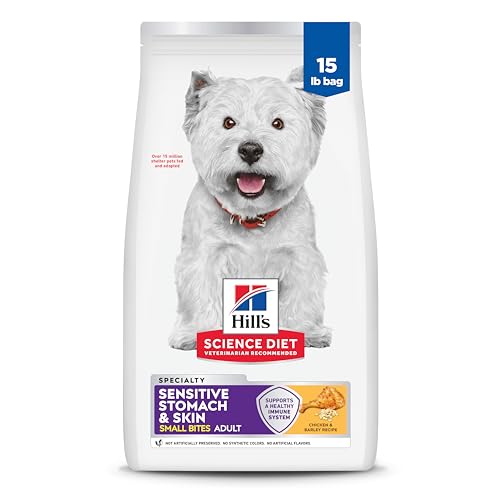
Our top pick is Purina Pro Plan Sensitive Skin & Stomach Salmon & Rice Formula. It provides high-quality salmon protein, easily digestible rice, and omega fatty acids for skin and coat health. For a budget-friendly option, consider Diamond Naturals Limited Ingredient Diet Lamb & Rice. If your Berner has multiple protein sensitivities, the Hill’s Science Diet Sensitive Stomach & Skin Chicken & Barley is an excellent grain-inclusive choice.
What to consider for Limited Ingredient Dog Food For Bernese Mountain Dogs
Bernese Mountain Dogs are a large, slow-growing breed prone to joint issues like hip and elbow dysplasia. They also have a thick double coat that benefits from omega-3 and omega-6 fatty acids. Many Berners have sensitive stomachs or food allergies, making limited ingredient diets a good option. When choosing a limited ingredient food, look for a single novel protein source (like salmon, lamb, or venison) and a single carbohydrate source (like rice, sweet potato, or peas). Ensure the food meets AAFCO nutrient profiles for large breed puppies or adults, with controlled calcium levels (1.0% to 1.5% on a dry matter basis) for growing puppies. Avoid foods with excessive protein or fat, as Berners can gain weight easily.
What to look for in a dog food
First, verify the food has an AAFCO statement of nutritional adequacy for the appropriate life stage (growth for puppies, maintenance for adults, or all life stages). The first ingredient should be a named meat source, such as salmon, lamb, or chicken. Protein content should be between 22% and 30% for adults, and fat between 12% and 18%. For large breed puppies, calcium should be around 1.0% to 1.5% to support proper bone development. Look for added glucosamine and chondroitin for joint health, and omega-3 fatty acids (EPA and DHA) for coat and cognitive function. Grain-inclusive formulas are generally recommended unless your vet advises grain-free due to a specific allergy.
How we chose these picks
- We analyzed ingredient lists for a single protein source and limited carbohydrate sources.
- We prioritized brands with a history of meeting AAFCO standards and conducting feeding trials.
- We considered life-stage appropriateness for large breed Bernese Mountain Dogs.
- We evaluated joint-supporting nutrients like glucosamine and chondroitin.
- We looked for omega fatty acids for skin and coat health.
- We balanced price per pound with ingredient quality.
- We read customer reviews for palatability and digestive tolerance.
- Never ranked a product higher just because it pays a commission.
What to avoid
- Avoid foods where the only protein source is unnamed “meat meal” or “poultry meal” as they can be from mixed sources.
- Be cautious with grain-free or legume-heavy recipes; the FDA is investigating a potential link to canine dilated cardiomyopathy (DCM). Grain-inclusive is the safer default unless a veterinarian advises otherwise.
- Do not feed an “all life stages” food to a large breed puppy, as calcium and phosphorus levels may be too high.
- Avoid abrupt diet switches; transition over 7 to 10 days to prevent digestive upset.
For more guidance, check our dog guides, dog food, and dog nutrition resources.