Quick answer
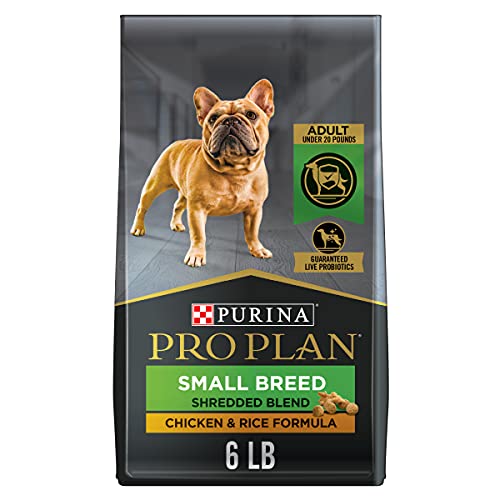
Our top pick is Royal Canin Size Health Nutrition Small Adult Dry Dog Food, formulated specifically for small breeds with a tailored kibble shape and balanced nutrients. For owners seeking a budget-friendly option, Purina Pro Plan Small Breed offers solid nutrition at a lower price. Hill’s Science Diet Small Bites provides excellent digestive health support for sensitive stomachs.
What to consider for Grain Inclusive Dog Food For Dogs Under 20 Lbs
Small dogs have faster metabolisms and smaller mouths, so kibble size and calorie density matter. Grain inclusive formulas provide digestible carbohydrates like rice or oatmeal, which can be gentler on the stomach than grain-free alternatives. Look for a named meat as the first ingredient, appropriate protein (25 to 30 percent), fat (12 to 18 percent), and fiber (3 to 5 percent) levels. Ensure the food meets AAFCO standards for the correct life stage (adult or puppy). Avoid foods with unnamed meat meals or excessive fillers.
What to look for in a dog food
Choose a food that states “complete and balanced” for your dog’s life stage on the label. The first ingredient should be a named animal protein like chicken, lamb, or fish. Protein content around 25 to 30 percent is ideal for small breeds, with fat between 12 to 18 percent for energy. Kibble size should be small (around 8 to 12 mm) to prevent choking and encourage chewing. Look for added omega-3 and omega-6 fatty acids for skin and coat health, and glucosamine and chondroitin for joint support, especially in senior small dogs.
How we chose these picks
- Evaluated ingredient lists for named meat first and absence of artificial preservatives.
- Checked that each recipe is grain inclusive (contains grains like brown rice, barley, or oats).
- Confirmed the food meets AAFCO nutrient profiles for the intended life stage.
- Considered kibble size and shape suitability for dogs under 20 pounds.
- Reviewed calorie density to ensure appropriate energy for small breeds.
- Selected products from reputable brands with established quality control.
- Compared price per pound to offer options at different budget points.
- Never ranked a product higher just because it pays a commission.
What to avoid
- Avoid foods with an unnamed “meat meal” as the sole protein source; look for named meals like chicken meal or salmon meal.
- Do not default to grain-free or legume-heavy recipes unless advised by a veterinarian, as the FDA continues to investigate a potential link with canine dilated cardiomyopathy (DCM).
- For adult small dogs, avoid all-life-stages foods that may have excessive calcium for large-breed puppies.
- Never switch foods abruptly; transition over 7 to 10 days by mixing increasing amounts of new food with the old.
For more guidance, explore our dog guides and check out dog food and dog nutrition resources.