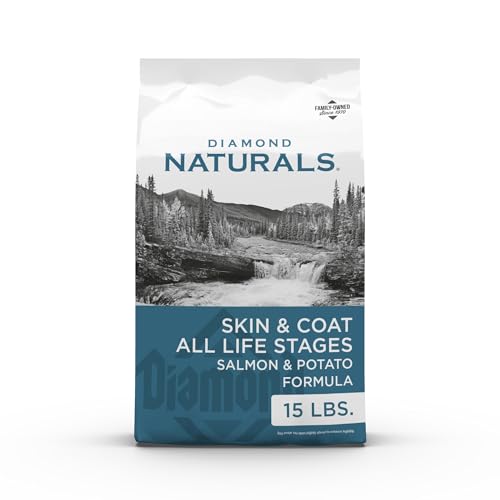
Quick answer
Our top pick is Purina Pro Plan Complete Essentials Salmon & Rice Formula. It offers balanced nutrition with real salmon as the first ingredient, whole grains for energy, and a price that fits most budgets. For dogs with sensitive stomachs, Hill’s Science Diet Adult Sensitive Stomach & Skin Salmon & Rice is an excellent alternative with added prebiotic fiber.
What to consider for Salmon Dog Food With Grains
Salmon provides omega-3 fatty acids that support skin, coat, and joint health. Grain-inclusive formulas offer digestible carbohydrates like brown rice, oatmeal, or barley, which provide steady energy and fiber. When choosing a salmon dog food with grains, consider your dog’s age, activity level, and any sensitivities. Some dogs may have fish allergies or require limited ingredient diets. Always check the guaranteed analysis for protein (typically 22-32% dry matter) and fat (12-18%) to match your dog’s needs.
What to look for in a dog food
Look for an AAFCO statement confirming the food is complete and balanced for your dog’s life stage (puppy, adult, or senior). The first ingredient should be a named protein source like salmon or salmon meal. Protein levels around 24-30% and fat levels around 12-18% are common for adult maintenance, but active dogs may need more. For large breeds, ensure calcium levels are appropriate for growth. Omega-3 and omega-6 fatty acids from salmon and flaxseed benefit skin and coat. Whole grains like brown rice or oatmeal provide fiber and energy. Avoid foods with excessive fillers or artificial additives.
How we chose these picks
- Evaluated ingredient quality and nutritional adequacy based on AAFCO standards.
- Selected recipes with named meat or fish as the first ingredient.
- Included grain-inclusive formulas with whole grains like rice, barley, or oatmeal.
- Considered brand reputation and manufacturing quality control.
- Focused on products widely available and reasonably priced.
- Checked for specific life-stage formulations (puppy, adult, senior).
- Reviewed customer feedback for palatability and digestive tolerance.
- Never ranked a product higher just because it pays a commission.
What to avoid
- Avoid foods where the first ingredient is an unnamed “meat meal” or ambiguous animal by-product.
- Steer clear of grain-free or legume-heavy recipes unless your veterinarian specifically advises them, as the FDA continues its investigation into a possible link between grain-free diets and canine dilated cardiomyopathy (DCM). Grain-inclusive is the safer default.
- Do not choose all-life-stages food for a large-breed puppy; opt for a large-breed puppy formula with controlled calcium and phosphorus.
- Avoid abrupt diet switches; transition over 7 to 10 days by gradually increasing the new food while decreasing the old.
For more guidance, explore our dog guides, dog food, and dog health categories.