Quick answer
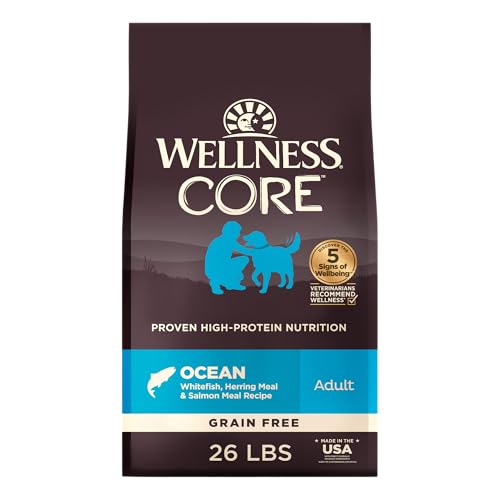
Our top pick is Purina Pro Plan Sensitive Skin & Stomach Salmon & Rice Formula. It combines high-quality salmon protein with easily digestible ingredients and omega-3s that promote fresh breath. For a budget-friendly option, Diamond Naturals Salmon & Potato offers similar benefits at a lower price. If your dog has severe allergies, Hill’s Science Diet Sensitive Stomach & Skin Salmon Recipe is a great choice.
What to consider for Salmon Dog Food For Dogs With Bad Breath
Bad breath (halitosis) in dogs is often caused by plaque buildup, gum disease, or poor digestion. Salmon is rich in omega-3 fatty acids, which have anti-inflammatory properties that can help reduce gum inflammation and support overall oral health. Additionally, salmon is a novel protein source for many dogs, making it suitable for those with food sensitivities that may contribute to digestive upset and bad breath. When choosing a salmon dog food, look for formulas that include dental-friendly kibble shapes or added ingredients like chlorophyll or parsley for breath freshening. Also consider the fat content: moderate fat levels (12 to 18% on a dry matter basis) are ideal to avoid loose stools that can worsen odor.
What to look for in a dog food
First, ensure the food is formulated to meet AAFCO nutrient profiles for your dog’s life stage (puppy, adult, or senior). The first ingredient should be a named meat like salmon, salmon meal, or deboned salmon. Protein content should be between 22 and 32% for most adult dogs. Fat levels around 12 to 18% support energy without causing digestive issues. For large breeds, look for controlled calcium and phosphorus levels. Omega-3 fatty acids (EPA and DHA) from fish oil or flaxseed help reduce inflammation. Avoid foods with artificial preservatives, colors, or flavors. If your dog has a sensitive stomach, choose a limited-ingredient diet with a single protein source.
How we chose these picks
- We evaluated products based on ingredient quality, with a focus on named salmon as the primary protein source.
- We prioritized formulas that include omega-3 fatty acids for oral and skin health.
- We considered life-stage appropriateness and AAFCO nutritional adequacy statements.
- We reviewed customer feedback for palatability and reported improvements in breath and digestion.
- We selected brands with a history of rigorous quality control and feeding trials.
- We included options across different price points and dietary needs (grain-inclusive, limited ingredient).
- We avoided products with unnamed meat meals or excessive fillers.
- Never ranked a product higher just because it pays a commission.
What to avoid
- Avoid foods with an unnamed “meat meal” as the only protein source; always look for named proteins like salmon meal.
- Do not default to grain-free or legume-heavy recipes unless your vet advises it; the FDA DCM investigation is ongoing, and grain-inclusive diets are generally safer.
- Do not feed an “all life stages” food to a large-breed puppy, as it may have improper calcium levels.
- Avoid abrupt diet switches; transition over 7 to 10 days to prevent digestive upset.
For more guidance, explore our dog guides, dog food, and dog health resources.