Quick answer
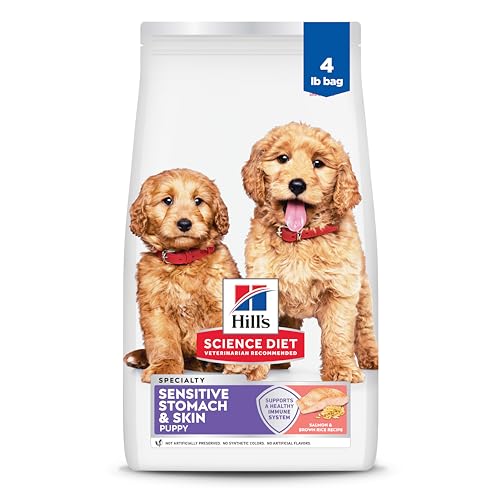
The best chicken-free dog food for allergies is Purina Pro Plan Sensitive Skin & Stomach Salmon & Rice Formula. It uses salmon as a novel protein, is fortified with probiotics for digestive health, and is free of chicken by-products. For a budget-friendly option, consider Diamond Naturals Skin & Coat Real Salmon & Potato. For puppies with allergies, Hill’s Science Diet Puppy Sensitive Stomach & Skin Salmon & Brown Rice is a top choice.
What to consider for Chicken Free Dog Food For Allergies
When selecting a chicken-free dog food for allergies, the primary goal is to avoid the protein source that triggers the reaction. Chicken is a common allergen, so look for foods with novel proteins like salmon, lamb, duck, or venison. Also consider the carbohydrate source; some dogs may react to grains like wheat or corn, but grain-free is not always necessary. Check for a limited ingredient list to minimize exposure to potential allergens. Always consult your veterinarian to identify the specific allergen and ensure the diet is nutritionally complete.
What to look for in a dog food
Choose a food that states it is complete and balanced according to AAFCO for your dog’s life stage (puppy, adult, or senior). The first ingredient should be a named meat or meat meal (e.g., salmon, lamb meal). Protein content typically ranges from 22% to 32% for adult dogs; fat from 10% to 20%; and calories from 300 to 400 kcal per cup. For large breeds, ensure calcium and phosphorus levels are appropriate for bone health. Omega-3 fatty acids from fish oil support skin and coat health, and joint supplements like glucosamine can benefit older or active dogs.
How we chose these picks
- Selected only chicken-free recipes from reputable brands with a history of quality control.
- Prioritized foods with a single novel protein source to reduce allergen risk.
- Evaluated ingredient lists for unnecessary fillers, artificial additives, and potential cross-contamination.
- Checked that each product meets AAFCO nutrient profiles for the intended life stage.
- Considered palatability and digestibility based on customer feedback and brand reputation.
- Included options across price points to suit different budgets.
- Ensured picks are widely available for purchase.
- Never ranked a product higher just because it pays a commission.
What to avoid
- Avoid foods where the only protein source is an unnamed “meat meal” or “poultry meal”, as these may contain chicken.
- Be cautious with grain-free diets: the FDA is investigating a potential link between grain-free, legume-heavy foods and canine dilated cardiomyopathy (DCM). Unless your vet advises otherwise, a grain-inclusive diet is the safer default.
- Do not feed an “all life stages” food to a large-breed puppy, as it may have inappropriate calcium levels for controlled growth.
- Avoid abrupt diet changes; transition over 7 to 10 days to prevent digestive upset.
Explore more guides: dog guides, dog food, dog health.