Quick answer
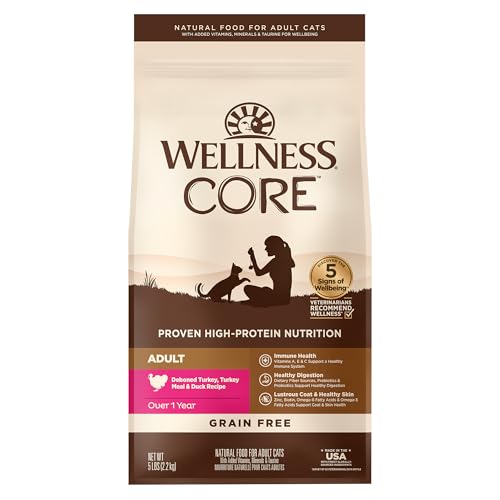
For most dogs with anal gland issues, our top pick is Purina Pro Plan Sensitive Skin & Stomach Turkey & Oat Meal Formula. Its single turkey protein source and prebiotic fiber help produce firm stools that naturally express glands. If your dog needs a grain-free option, consider Wellness CORE Turkey & Duck; for a budget-friendly choice, Diamond Naturals Turkey & Rice is excellent.
What to consider for Turkey Dog Food For Anal Gland Issues
Anal gland problems often stem from soft or irregular stools that fail to express the glands naturally. Turkey is a lean, highly digestible protein that can help maintain consistent stool quality. When choosing a turkey dog food for anal gland health, look for moderate fiber levels (around 3% to 5% crude fiber) to bulk up stools without causing loose stools. Avoid foods with excessive fat, which can lead to loose stools. Also consider added prebiotics like chicory root or probiotics to support gut health. Always transition slowly and consult your vet if issues persist.
What to look for in a dog food
First, ensure the food states it is AAFCO complete and balanced for your dog’s life stage (adult, puppy, or all life stages). Look for a named meat as the first ingredient, such as turkey or turkey meal. Protein should be moderate to high (around 25% to 30% for adults) and fat around 12% to 18% to avoid loose stools. For anal gland health, fiber is key: aim for 3% to 5% crude fiber. If your dog is a large breed, ensure calcium and phosphorus levels are appropriate for bone health. Omega-3 fatty acids from fish oil can reduce inflammation, and glucosamine/chondroitin support joint health if needed.
How we chose these picks
- Evaluated ingredient lists for turkey as the primary protein source.
- Checked fiber content to support firm stools and anal gland expression.
- Ensured each formula meets AAFCO nutrient profiles for the intended life stage.
- Considered brand reputation and manufacturing quality standards.
- Reviewed customer feedback for palatability and digestive tolerance.
- Focused on products widely available and reasonably priced.
- Excluded foods with unnamed meat meals or excessive fillers.
- Never ranked a product higher just because it pays a commission.
What to avoid
- Foods with unnamed meat meal (e.g., “poultry meal”) as the only protein source.
- Defaulting to grain-free or legume-heavy recipes without veterinary guidance, due to the FDA investigation into a potential link with canine DCM.
- All-life-stages food for a large-breed puppy, as it may have improper calcium levels.
- Abrupt diet switches; transition over 7 to 10 days to avoid digestive upset.
For more help, explore our dog guides, dog food, dog health, and dog nutrition categories.