Quick answer
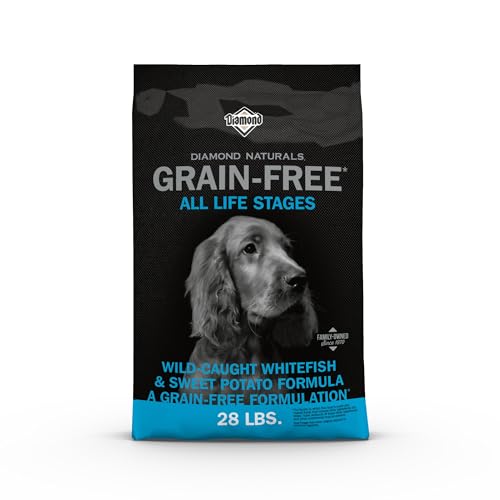
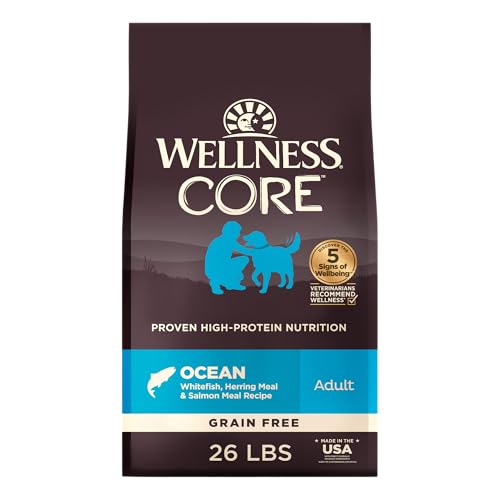
Our top pick is Purina Pro Plan Sensitive Skin & Stomach Salmon & Rice Formula, which offers easily digestible white fish protein without chicken, plus omega-3s for skin and coat health. For a budget-friendly option, Diamond Naturals Whitefish & Sweet Potato provides a grain-inclusive recipe with probiotics. If your dog prefers a grain-free diet, Wellness CORE Grain-Free Whitefish & Potato is a solid choice, though we generally recommend grain-inclusive unless a vet advises otherwise.
What to consider for White Fish Dog Food Without Chicken
White fish is a novel protein source, making it suitable for dogs with chicken allergies or food sensitivities. When selecting a white fish dog food, ensure the recipe lists a named fish (e.g., whitefish, cod, or pollock) as the first ingredient. Avoid products that rely on unnamed fish meal or contain chicken by-products. Since white fish is naturally lower in fat, some formulas add healthy fats like fish oil or canola oil to meet energy needs. Consider your dog’s life stage, size, and activity level, as puppies and active dogs require higher protein and fat levels. Always confirm the food meets AAFCO nutrient profiles for your dog’s life stage. Consult your veterinarian before switching diets, especially if your dog has a diagnosed allergy or medical condition.
What to look for in a dog food
Look for a statement that the food is complete and balanced according to AAFCO for your dog’s life stage (puppy, adult, or all life stages). The first ingredient should be a named meat source, such as whitefish or salmon. Protein content should generally range from 22% to 32% for adult dogs, with fat between 10% and 18%. Calorie density varies; typical adult maintenance foods provide 320 to 400 kcal per cup. For large breed puppies, ensure calcium levels are moderate (around 1.0% to 1.5% on a dry matter basis) to support proper bone development. Omega-3 fatty acids from fish oil support skin and coat health, while glucosamine and chondroitin can benefit joint health, especially in large or senior dogs. If your dog has a sensitive stomach, look for easily digestible carbohydrates like rice or oatmeal.
How we chose these picks
- Analyzed ingredient lists to ensure the first protein source is a named white fish (whitefish, cod, pollock, or salmon) with no chicken or chicken meal.
- Verified each recipe meets AAFCO nutrient profiles for the stated life stage.
- Prioritized brands with a history of rigorous quality control and published feeding trials or research.
- Considered protein, fat, and fiber content appropriate for the target dog (e.g., sensitive stomach, weight management, or high energy).
- Evaluated inclusion of beneficial supplements like probiotics, omega-3s, and glucosamine.
- Checked for the absence of artificial colors, flavors, and preservatives.
- Balanced price per pound with ingredient quality to offer options across budgets.
- Never ranked a product higher just because it pays a commission.
What to avoid
- Avoid foods that list an unnamed ‘meat meal’ or ‘fish meal’ as the primary protein source, as these can be ambiguous and may contain chicken.
- Do not default to grain-free or legume-heavy recipes without veterinary guidance; the FDA continues to investigate a potential link between grain-free diets and canine dilated cardiomyopathy (DCM). Grain-inclusive formulas are generally safer.
- Steer clear of ‘all life stages’ foods for large-breed puppies, as they may contain excessive calcium that can lead to skeletal issues.
- Avoid abrupt diet changes; transition slowly over 7 to 10 days to prevent digestive upset.
Explore more of our dog guides, including dog food and dog nutrition resources.