Quick answer
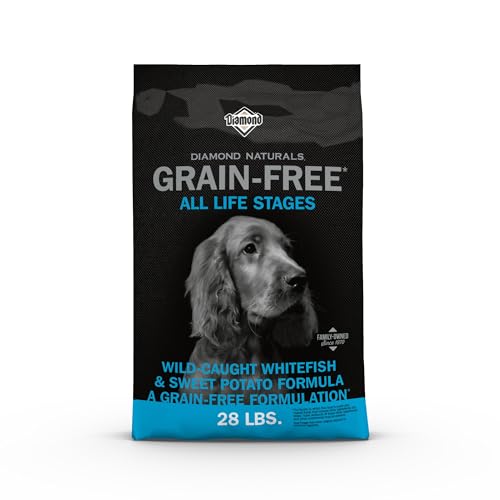
For most rescue dogs, our top pick is Purina Pro Plan Sensitive Skin & Stomach Salmon & Rice Formula because it combines a single animal protein with probiotics for digestive health. If your dog has a confirmed fish allergy, consider Hill’s Science Diet Sensitive Stomach & Skin White Fish & Sweet Potato. For budget-conscious adopters, Diamond Naturals White Fish & Sweet Potato offers solid nutrition at a lower price.
What to consider for White Fish Dog Food For Rescue Dogs
Rescue dogs often arrive with unknown dietary histories, stress-induced digestive upset, or food sensitivities. White fish is a novel protein that is less likely to trigger allergies compared to chicken or beef. Many rescue dogs also need a diet that supports immune health and gentle digestion. Look for recipes with limited ingredients, added probiotics, and omega fatty acids for skin and coat health. Avoid foods with artificial additives or excessive fillers.
What to look for in a dog food
First, ensure the food meets AAFCO nutritional standards for your dog’s life stage (puppy, adult, or all life stages). Look for a named meat source (e.g., white fish, salmon) as the first ingredient. Protein should be around 20 to 30 percent for adults, fat 10 to 20 percent, and calories 300 to 400 per cup, but adjust based on activity level. For large breed puppies, choose a large-breed specific formula to control growth rate. Added omega-3 fatty acids (from fish oil) support joint and skin health. Probiotics and prebiotic fiber aid digestion, which is especially important for rescue dogs.
How we chose these picks
- Evaluated ingredients for named protein sources and absence of artificial preservatives.
- Checked that each recipe meets AAFCO nutrient profiles for the intended life stage.
- Prioritized formulas with added probiotics or prebiotics for digestive support.
- Considered omega-3 and omega-6 fatty acid content for skin and coat health.
- Included options across price points to suit different budgets.
- Selected products from reputable brands with established quality control.
- Never ranked a product higher just because it pays a commission.
What to avoid
- Avoid foods with unnamed “meat meal” as the primary protein source; you want a specific fish or meat named.
- Do not default to grain-free or legume-heavy recipes without veterinary guidance due to the ongoing FDA investigation into a potential link with canine dilated cardiomyopathy (DCM). Grain-inclusive is generally safer.
- Steer clear of “all life stages” foods for large-breed puppies, as they may promote too-rapid growth.
- Avoid abrupt diet switches; transition over 7 to 10 days by mixing increasing amounts of new food with old.
For more guidance, visit our dog guides, dog food, and dog nutrition pages.