Quick answer
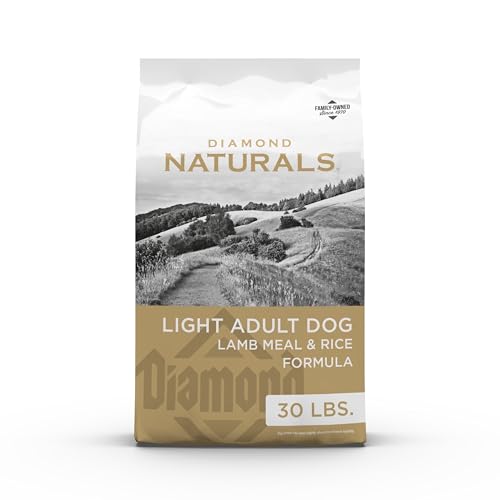
The best low fat dog food for dogs with sensitive paws is Hill’s Science Diet Adult Perfect Weight Small & Mini Breed Dry Dog Food. It combines low fat (11% min) with high-quality protein and omega-3s for paw health. For a budget-friendly option, consider Diamond Naturals Light & Fit; for a grain-inclusive choice, Purina Pro Plan Weight Management is excellent.
What to consider for Low Fat Dog Food For Dogs With Sensitive Paws
Dogs with sensitive paws often have underlying allergies or inflammatory conditions. A low-fat diet can help manage weight, reducing stress on paws. Look for limited ingredients, novel proteins, and added omega-3 fatty acids from fish oil to support skin and coat health. Avoid common allergens like chicken, beef, or grains if your dog shows sensitivity. Always consult your veterinarian before switching diets.
What to look for in a dog food
Choose a food that is AAFCO complete and balanced for your dog’s life stage. The first ingredient should be a named meat source. Aim for protein around 20 to 30% (dry matter basis), fat below 12% for weight management, and calories under 350 kcal/cup. For sensitive paws, omega-3s from fish oil are beneficial. Large breed dogs need proper calcium-to-phosphorus ratios; small breeds may need smaller kibble. Joint support from glucosamine can also help if paw issues are due to arthritis.
How we chose these picks
- We analyzed guaranteed analysis and ingredient lists for fat content and quality.
- We prioritized foods with named meat as the first ingredient and whole grains when appropriate.
- We looked for added omega-3s from fish oil or flaxseed.
- We considered life stage and size suitability.
- We checked for AAFCO feeding trial substantiation or formulation to meet AAFCO profiles.
- We avoided products with excessive fillers, artificial additives, or unnamed meat meals.
- We selected brands with a history of quality control and transparent sourcing.
- Never ranked a product higher just because it pays a commission.
What to avoid
- Avoid foods with unnamed “meat meal” as the only protein source; opt for named meals like chicken meal or salmon meal.
- Do not default to grain-free or legume-heavy recipes unless your vet advises it; the FDA DCM investigation is ongoing, and grain-inclusive is the safer default.
- Do not feed all-life-stages food to a large-breed puppy; choose a large-breed puppy formula.
- Avoid abrupt diet switches; transition over 7 to 10 days by gradually mixing old and new food.
For more guidance, explore our dog guides, dog food reviews, and dog health articles.