Quick answer
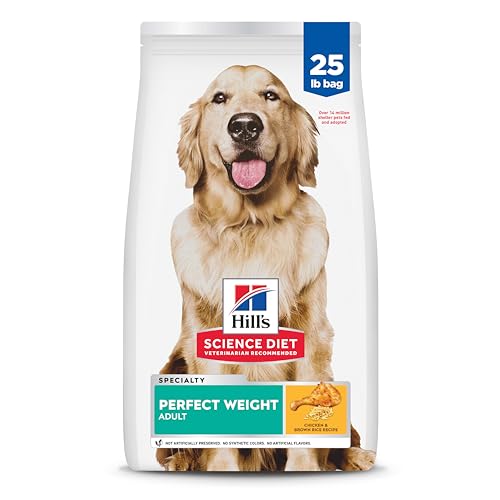
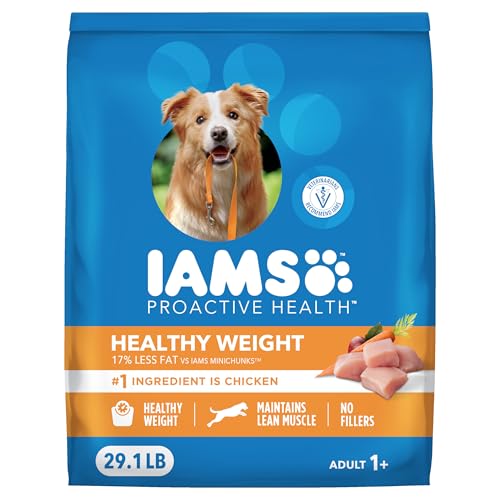
Our top pick for most picky eaters needing weight management is Purina Pro Plan Weight Management Chicken & Rice Formula. It offers a tailored calorie count with real chicken flavor that appeals to finicky dogs. For dogs with sensitive stomachs, Hill’s Science Diet Perfect Weight is a close runner-up. Budget-conscious owners should consider Iams ProActive Health Weight Control.
What to consider for Low Calorie Dog Food For Picky Eaters
When your dog is both picky and overweight, you need a food that satisfies their taste buds while cutting calories. Many low-calorie diets rely on fillers that dogs dislike. Look for a formula with a named meat protein source (like chicken or salmon) as the first ingredient, but with reduced fat and controlled portions. Kibble size and texture can also matter; smaller, crunchy pieces may entice picky eaters. Always transition gradually over 7 to 10 days to avoid digestive upset.
What to look for in a dog food
Ensure the food meets AAFCO nutritional standards for your dog’s life stage (adult maintenance or all life stages). Look for a named meat protein (e.g., chicken, beef) as the first ingredient. Protein should be around 25 to 30 percent of dry matter, fat around 8 to 12 percent, and calories between 250 and 350 kcal per cup. For small breeds, smaller kibble helps; for large breeds, larger kibble may discourage gulping. Added omega-3 and omega-6 fatty acids support skin and coat health during weight loss.
How we chose these picks
- Evaluated calorie density per cup and per serving
- Checked that the first ingredient is a named meat source
- Ensured each product is formulated for weight management or low calorie
- Considered palatability for picky eaters based on ingredient palatability enhancers (like natural flavors or broths)
- Reviewed customer feedback on taste acceptance
- Verified that the brand meets AAFCO standards
- Compared price per pound to offer budget-friendly options
- Never ranked a product higher just because it pays a commission
What to avoid
- Avoid foods with unnamed “meat meal” as the only protein source; opt for named meals like chicken meal.
- Be cautious with grain-free or legume-heavy recipes due to the ongoing FDA investigation into a potential link with canine DCM. Unless your vet advises otherwise, grain-inclusive formulas are generally safer.
- Do not feed an “all life stages” food to a large-breed puppy, as it may contain excess calcium and calories.
- Avoid abrupt diet switches; transition over 7 to 10 days to prevent digestive upset.
For more tips, browse our dog guides and related categories: dog food, dog health.