Quick answer
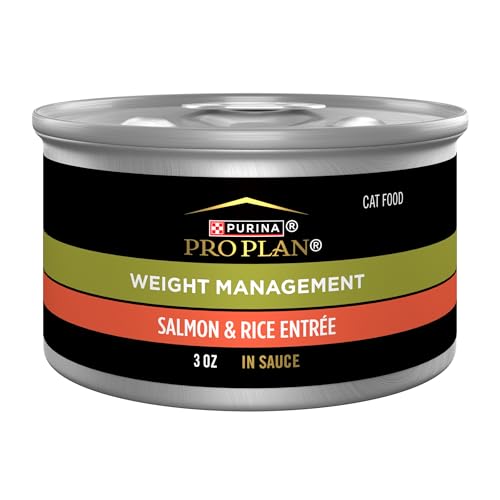
For most dogs, our top pick is Purina Pro Plan Weight Management with Salmon because it combines a controlled calorie count (roughly 310 kcal per cup) with high-quality salmon as the first ingredient, plus L-carnitine for fat metabolism. If your dog has a sensitive stomach, consider Hill’s Science Diet Sensitive Stomach & Skin Salmon Recipe (also low-calorie). For budget-conscious owners, Diamond Naturals Light Dog Food with Salmon offers solid nutrition at a lower price point.
What to consider for Low Calorie Dog Food With Salmon
Weight management formulas typically contain 250 to 350 kcal per cup, compared to 350 to 500+ for regular foods. Salmon provides high-quality protein and omega-3 fatty acids, which support skin and coat health while reducing inflammation. However, salmon-based foods can be higher in fat if not formulated for weight loss, so check the crude fat content (ideally under 12% on a dry matter basis). Also ensure the food is AAFCO complete and balanced for your dog’s life stage.
What to look for in a dog food
Look for an AAFCO statement confirming the food is complete and balanced for adult maintenance or all life stages. The first ingredient should be a named meat like salmon or salmon meal. Protein levels around 25 to 30% are ideal for weight maintenance, while fat should be 8 to 12% to keep calories in check. Crude fiber of 4 to 8% helps with satiety. For large breeds, ensure calcium levels are appropriate (around 1.0 to 1.5% for growth). Omega-3 fatty acids from salmon support joint health. Avoid foods with excessive carbohydrates (over 40% estimated carbs) as they can hinder weight loss.
How we chose these picks
- Evaluated guaranteed analysis and calorie density from official product pages.
- Verified AAFCO nutritional adequacy statements for adult maintenance.
- Selected only salmon-first or salmon-meal-first recipes to ensure protein quality.
- Preferred formulas with added L-carnitine or moderate fiber for weight management.
- Checked for inclusion of omega-3 fatty acids (EPA/DHA) from natural sources.
- Prioritized brands with published feeding trials or research-backed formulations.
- Considered price per pound and availability on Amazon.
- Never ranked a product higher just because it pays a commission.
What to avoid
- Avoid foods listing an unnamed “meat meal” as the only protein source; always choose named proteins like salmon meal.
- Do not default to grain-free or legume-heavy recipes unless your veterinarian recommends it due to the ongoing FDA investigation into a potential link between certain diets and canine dilated cardiomyopathy (DCM).
- Steer clear of “all life stages” foods for large-breed puppies, as they may have improper calcium-to-phosphorus ratios.
- Never switch your dog’s food abruptly; transition over 7 to 10 days to avoid digestive upset.
For more guidance, see our dog guides and explore dog food or dog nutrition.