Quick answer
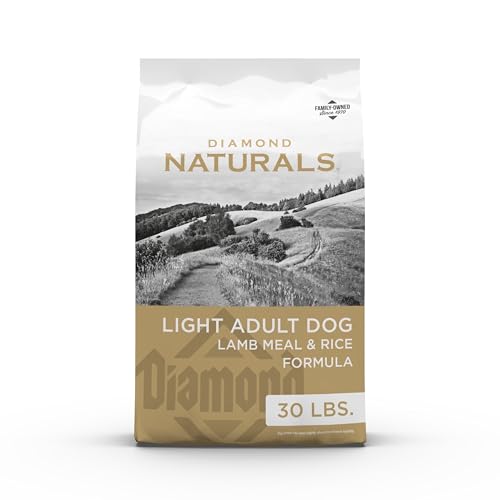
The best low calorie dog food for indoor dogs is Hill’s Science Diet Adult Light Small Bites. It provides 25% fewer calories than the standard formula while keeping protein and fiber high for satiety. For dogs with sensitive stomachs, Purina Pro Plan Sensitive Skin & Stomach Salmon & Rice is a great alternative. Budget-conscious owners can choose Diamond Naturals Light & Fit.
What to consider for Low Calorie Dog Food For Indoor Dogs
Indoor dogs typically have lower energy expenditure, so calorie density matters. Look for a food with 250 to 350 kcal per cup. Higher fiber (4% to 8% crude fiber) helps your dog feel full. Protein should be at least 25% on a dry matter basis to preserve muscle mass. Joint support (glucosamine, chondroitin) is beneficial if your dog is older or less active. Always consult your vet before changing diets, especially if your dog has health conditions.
What to look for in a dog food
Choose a food that meets AAFCO nutrient profiles for your dog’s life stage (adult maintenance for most indoor dogs). The first ingredient should be a named meat source like chicken, lamb, or salmon. Aim for 18% to 24% protein and 8% to 12% fat for weight management. For small breeds, smaller kibble size helps. For large breeds, ensure calcium and phosphorus levels are appropriate. Omega-3 fatty acids from fish oil support skin and coat health. Avoid foods with excessive fillers like corn or wheat gluten.
How we chose these picks
- Evaluated calorie content per cup and per 100 kcal
- Checked that the food meets AAFCO standards for adult maintenance
- Prioritized named animal protein as the first ingredient
- Considered fiber content for satiety
- Reviewed customer feedback on palatability and weight management results
- Included options for different budgets and dietary sensitivities
- Ensured availability on Amazon
- Never ranked a product higher just because it pays a commission
What to avoid
- Unnamed meat meals like “meat meal” or “poultry meal” as the sole protein source
- Grain-free or legume-heavy diets without veterinary guidance (FDA is investigating a potential link to DCM)
- All-life-stages foods for large-breed puppies (they may cause rapid growth and joint issues)
- Abrupt diet changes; transition over 7 to 10 days to avoid digestive upset
For more dog care tips, check out our dog guides, dog food, and dog health categories.