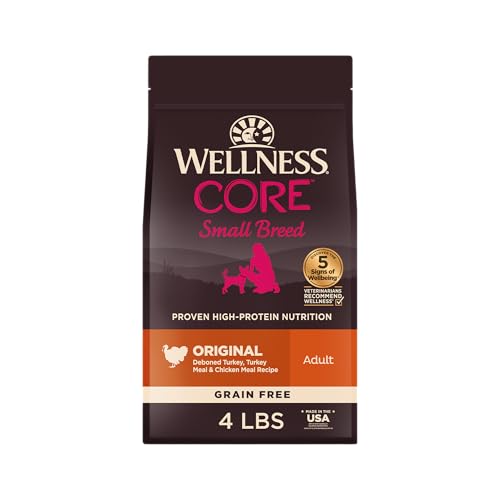
Quick answer
The best low-calorie dog food for Schnauzers is Hill’s Science Diet Adult Perfect Weight Small & Mini Chicken Recipe. It is formulated with lean protein and L-carnitine to help maintain a healthy weight while supporting muscle mass. For Schnauzers with sensitive stomachs, Purina Pro Plan Focus Sensitive Skin & Stomach Salmon & Rice is a great alternative. Both are AAFCO complete and balanced for adult maintenance.
What to consider for Low Calorie Dog Food For Schnauzers
Schnauzers are a small to medium breed with a tendency toward obesity, pancreatitis, and urinary stones. A low-calorie food should have moderate fat (10 to 15% on a dry matter basis) and controlled calorie density (around 300 to 350 kcal per cup). Protein should be high (25 to 30%) from named animal sources to preserve lean muscle. Avoid foods with excessive carbohydrates or fillers. Additionally, some Schnauzers benefit from added glucosamine and omega-3s for joint and skin health. Always consult your veterinarian before switching diets, especially if your dog has a medical condition.
What to look for in a dog food
Look for a statement that the food meets AAFCO nutrient profiles for the appropriate life stage (adult maintenance for most Schnauzers). The first ingredient should be a named meat, such as chicken, lamb, or salmon. Protein content should be at least 25% on a dry matter basis, fat between 10 and 15%, and calories around 300 to 350 kcal per cup. Small breed kibble size is ideal for Schnauzers. Added glucosamine and chondroitin support joint health, and omega-3 fatty acids (from fish oil or flaxseed) promote a healthy coat and skin. Avoid foods with artificial colors, flavors, or preservatives.
How we chose these picks
- Evaluated calorie density to ensure each product is low-calorie (under 350 kcal per cup).
- Checked that the first ingredient is a named animal protein source.
- Verified AAFCO nutritional adequacy statement for adult maintenance.
- Considered small breed kibble size suitability for Schnauzers.
- Prioritized brands with a history of rigorous quality control and feeding trials.
- Read customer reviews for palatability and digestive tolerance in Schnauzers.
- Consulted veterinary nutrition guidelines for weight management.
- Never ranked a product higher just because it pays a commission.
What to avoid
- Foods with unnamed meat meals (e.g., “meat meal” or “poultry meal”) as the sole protein source.
- Defaulting to grain-free or legume-heavy recipes; the FDA is investigating a potential link to canine DCM. Grain-inclusive diets are generally safer unless your vet advises otherwise.
- All-life-stages foods for a large-breed puppy, but for adult Schnauzers, all-life-stages is not appropriate if it exceeds calorie needs.
- Abrupt diet switches; transition over 7 to 10 days by gradually mixing new food with old.
For more guidance, check out our dog guides, dog food, and dog nutrition articles.