Quick answer
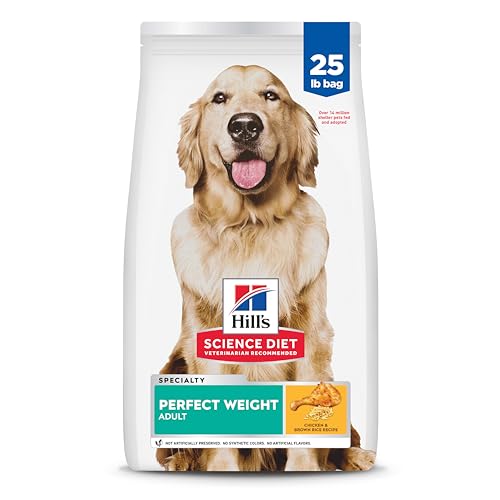
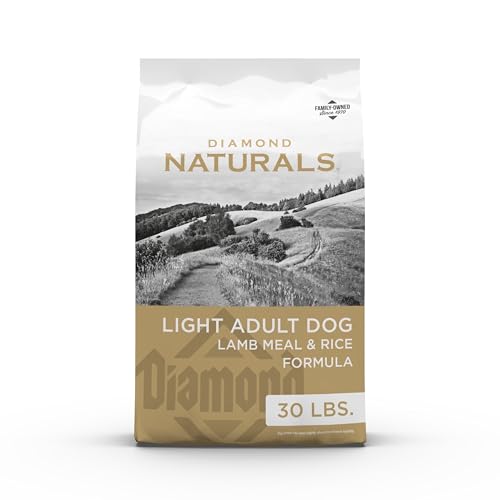
The best low calorie dog food for travel in cars is Purina Pro Plan Weight Management Chicken & Rice Formula. It offers controlled calories (around 325 kcal/cup) and a balanced nutrient profile that supports weight maintenance during travel. For dogs with sensitive stomachs, Hill’s Science Diet Adult Perfect Weight is a strong runner-up. If you need a budget-friendly option, Diamond Naturals Light & Fit provides solid nutrition at a lower price point.
What to consider for Low Calorie Dog Food For Travel In Cars
When choosing a low-calorie dog food for car travel, consider portion control and mess-free feeding. Travel often disrupts routines, so foods that come in resealable bags or single-serve pouches are ideal. Also, look for recipes with moderate fiber content to help maintain digestive regularity during motion. Avoid foods that are too high in fat, as they can cause upset stomachs on the road. Finally, ensure the food is complete and balanced for your dog’s life stage to support energy needs without excess calories.
What to look for in a dog food
Look for a food that is AAFCO complete and balanced for your dog’s life stage (adult or all life stages). The first ingredient should be a named meat (e.g., chicken, lamb, salmon). Protein content should be around 25 to 30% on a dry matter basis, fat around 8 to 12%, and fiber 4 to 8% to promote satiety. Calorie density should be below 350 kcal per cup for weight management. For travel, kibble size and shape matter: small, uniform pieces are easier to portion and less likely to scatter. If your dog is prone to joint issues, look for added glucosamine and omega-3 fatty acids for anti-inflammatory benefits.
How we chose these picks
- Evaluated calorie density per cup to ensure low-calorie suitability
- Checked AAFCO nutritional adequacy statements for adult maintenance
- Prioritized named meat as first ingredient
- Reviewed fiber content for digestive health during travel
- Considered packaging convenience for car use (resealable bags or pouches)
- Compared price per pound to offer budget-friendly options
- Read customer feedback on palatability and digestive tolerance
- Never ranked a product higher just because it pays a commission
What to avoid
- Avoid foods with unnamed “meat meal” as the primary protein source; choose specific named meals like chicken meal.
- Do not default to grain-free or legume-heavy recipes unless your veterinarian recommends it due to the ongoing FDA investigation into a potential link with canine dilated cardiomyopathy.
- Steer clear of all-life-stages formulas for large-breed puppies; they need a large-breed puppy formula with controlled calcium levels.
- Never abruptly switch your dog’s food; transition over 5 to 7 days to prevent digestive upset during travel.
For more guidance, explore our dog guides, dog food, and dog health resources.