Quick answer
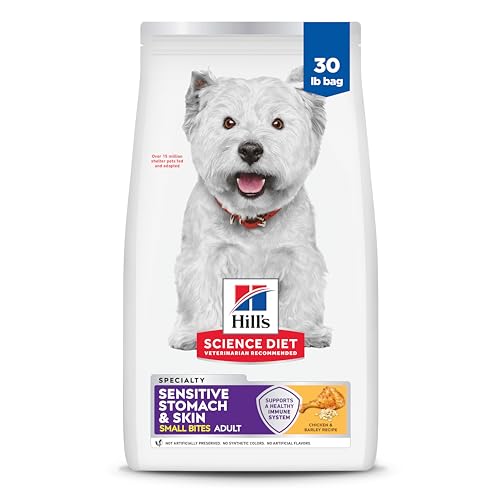
Our top pick is Purina Pro Plan Large Breed Chicken & Rice Formula. It offers high-quality protein, glucosamine for joints, and balanced calories for an active Border Collie. For dogs with sensitive stomachs, Hill’s Science Diet Large Breed Sensitive Stomach & Skin is excellent. Budget-conscious owners should consider Diamond Naturals Large Breed Adult Lamb & Rice.
What to consider for Large Breed Dog Food For Border Collies
Border Collies are medium to large dogs with high energy levels. They require a diet rich in protein and fat for sustained energy, but also need controlled calcium and phosphorus levels to support proper bone development, especially as puppies. Large breed formulas typically have lower energy density to prevent rapid growth, which can lead to joint issues. Look for foods with added glucosamine and chondroitin for joint health, as Border Collies are prone to hip dysplasia. Omega-3 fatty acids from fish oil support their skin, coat, and cognitive function.
What to look for in a dog food
Choose a food that meets AAFCO nutrient profiles for your dog’s life stage. The first ingredient should be a named meat source like chicken, lamb, or fish. Protein levels around 22 to 26% for adults, fat around 12 to 16% are appropriate for active Border Collies. For large breed puppies, look for a formula with 30 to 33% protein and 14 to 17% fat, but with controlled calcium (around 1.0 to 1.5% dry matter). Ensure the food includes glucosamine and chondroitin for joint support, and omega-3 fatty acids for skin and coat health. Grain-inclusive formulas are generally recommended unless a veterinarian advises otherwise due to a specific allergy.
How we chose these picks
- Evaluated ingredients for quality and appropriate nutrient levels for large breed active dogs.
- Ensured compliance with AAFCO nutrient profiles for the stated life stage.
- Prioritized brands with a history of rigorous quality control and feeding trials.
- Considered specific needs of Border Collies, such as joint support and sustained energy.
- Reviewed customer feedback for palatability and digestive tolerance.
- Selected products from reputable manufacturers with transparent sourcing.
- Never ranked a product higher just because it pays a commission.
What to avoid
- Avoid foods with an unnamed “meat meal” as the primary protein source; always look for named sources like chicken meal or lamb meal.
- Do not default to grain-free or legume-heavy diets due to the ongoing FDA investigation into a potential link with canine dilated cardiomyopathy (DCM). Grain-inclusive is the safer default unless your vet advises otherwise.
- Steer clear of “all life stages” foods for large breed puppies, as they may have inappropriate calcium levels that can affect bone development.
- Abrupt diet switches can cause digestive upset; transition gradually over 7 to 10 days.
For more guidance, explore our dog guides, dog food, and dog nutrition resources.