Quick answer
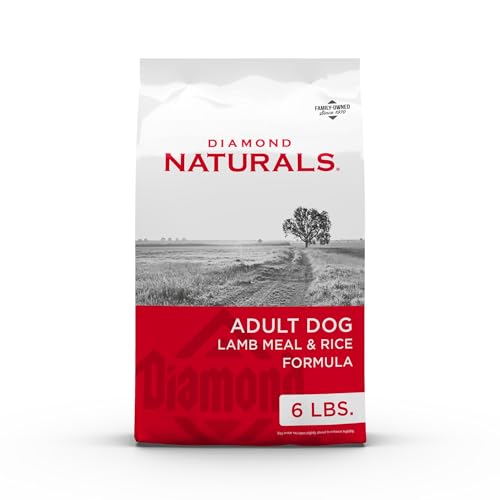
Our top pick is Royal Canin Small Breed Adult Dry Dog Food. It’s tailored for small breeds with a kibble size they can easily eat, and its balanced nutrition suits most adult small dogs. For multi-pet homes with sensitive stomachs, Purina Pro Plan Sensitive Skin & Stomach Small Breed is a great alternative. If you’re on a budget, Diamond Naturals Small Breed Adult offers solid nutrition at a lower price.
What to consider for Small Breed Dog Food For Multi Pet Homes
In a multi-pet home, you may have dogs of different ages, sizes, and health needs. Small breed dogs have faster metabolisms and smaller mouths, so kibble size and calorie density matter. You’ll want a food that is complete and balanced for each life stage present. Consider whether your dogs can share a bowl or need separate feeding stations to avoid resource guarding. Also, think about ingredient sensitivities: if one dog has allergies, you may need a limited ingredient diet that works for all. Finally, budget is key when feeding multiple dogs, so look for quality ingredients at a reasonable price per pound.
What to look for in a dog food
First, ensure the food has an AAFCO statement confirming it is complete and balanced for the appropriate life stage (adult, puppy, or all life stages). Look for a named meat as the first ingredient, such as chicken, lamb, or salmon. For small breeds, protein should be around 25 to 30% and fat around 14 to 20% to support energy needs without excess calories. Kibble size should be small (often labeled as small breed). Omega fatty acids (from fish oil or flaxseed) support skin and coat health, and glucosamine and chondroitin can help maintain joint health in older small dogs. Avoid foods with excessive fillers like corn, wheat, or soy.
How we chose these picks
- We selected foods specifically formulated for small breed dogs (kibble size and nutrient profile).
- We prioritized brands that meet AAFCO nutrient profiles and have a history of quality control.
- We considered value for multi-pet homes, balancing cost with ingredient quality.
- We looked for options that cater to common issues like sensitive stomachs, weight management, and dental health.
- We included a variety of protein sources and formulas to suit different preferences and dietary needs.
- We verified that each product is widely available on Amazon and has a strong customer rating.
- We avoided any food with a history of recalls or significant safety concerns.
- Never ranked a product higher just because it pays a commission.
What to avoid
- Avoid foods where the primary protein source is an unnamed “meat meal” or “poultry meal” without a specific animal source.
- Be cautious with grain-free diets: the FDA is still investigating a potential link between grain-free, legume-heavy diets and canine dilated cardiomyopathy (DCM). Unless your vet advises otherwise, a grain-inclusive diet is the safer default.
- Steer clear of “all life stages” foods for small breed puppies, as they may not have the right calcium-to-phosphorus ratio for proper growth.
- Don’t abruptly switch your dog’s food; transition over 5 to 7 days to avoid digestive upset.
For more guidance, explore our dog guides, dog food reviews, and dog nutrition advice.