Quick answer
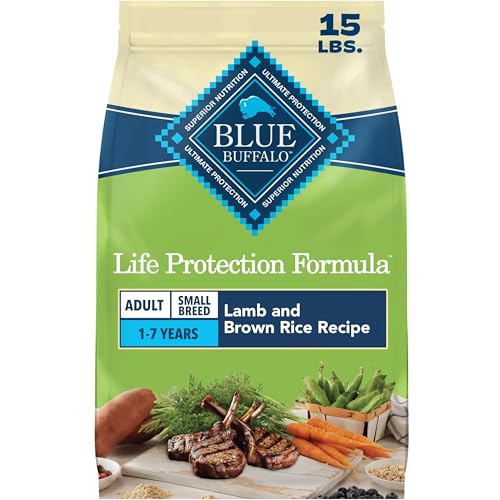
Our top pick is Purina Pro Plan Puppy Lamb & Rice, offering a balanced recipe with DHA for brain development and guaranteed calcium for large breeds. For sensitive stomachs, Hill’s Science Diet Puppy Lamb Meal & Brown Rice is excellent. Blue Buffalo Life Protection Puppy Lamb & Brown Rice provides a grain-inclusive option with LifeSource Bits.
What to consider for Puppy Food With Lamb
Lamb is a novel protein source that can be easier on sensitive stomachs and less likely to trigger allergies than chicken or beef. When choosing a lamb-based puppy food, ensure it is formulated for growth (large or small breed as needed), contains DHA for cognitive development, and provides controlled calcium levels for proper bone formation. Look for named meat as the first ingredient and avoid unnamed meat meals.
What to look for in a dog food
Look for an AAFCO statement confirming the food is complete and balanced for growth or all life stages (but all-life-stages may not suit large-breed puppies). The first ingredient should be a named meat like lamb or lamb meal. Protein should be around 22 to 32% on a dry matter basis, fat 8 to 22%, and calories 350 to 450 kcal per cup. For large-breed puppies, calcium should be 0.8 to 1.2% dry matter. DHA from fish oil supports brain and eye development. Omega-3 and omega-6 fatty acids promote healthy skin and coat.
How we chose these picks
- Evaluated AAFCO nutritional adequacy statements for growth or all life stages.
- Checked that lamb or lamb meal is the first or second ingredient.
- Reviewed guaranteed analysis for protein, fat, fiber, and moisture.
- Considered breed-size specific formulations (large vs. small breed).
- Looked for DHA and omega fatty acid content.
- Assessed ingredient quality, avoiding artificial colors, flavors, and preservatives.
- Read customer feedback on palatability and digestive tolerance.
- Never ranked a product higher just because it pays a commission.
What to avoid
- Avoid foods with unnamed meat meal (e.g., “meat meal”) as the primary protein source.
- Be cautious with grain-free or legume-heavy recipes; the FDA DCM investigation is ongoing. Grain-inclusive is the safer default unless your veterinarian advises otherwise.
- Do not feed an all-life-stages food to a large-breed puppy, as calcium levels may be too high.
- Avoid abrupt diet switches; transition over 5 to 7 days by mixing increasing amounts of new food.
For more guidance, see our dog guides, dog food, and dog nutrition categories.