Quick answer
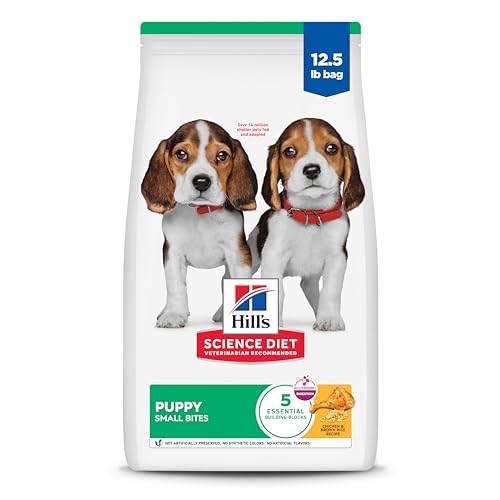
Our top pick is Purina Pro Plan Puppy Large Breed Chicken & Rice Formula. It provides controlled calcium and phosphorus for large-bone development plus glucosamine and EPA from fish oil. For smaller breeds or sensitive stomachs, Hill’s Science Diet Puppy Small Bites offers balanced joint support in a gentle recipe. If budget is a concern, Diamond Naturals Large Breed Puppy delivers quality ingredients at a lower price point.
What to consider for Puppy Food For Joint Support
Puppies grow rapidly, and their joints are especially vulnerable during the first year. Large and giant breed puppies need carefully controlled calcium and phosphorus levels to prevent skeletal abnormalities. Look for added glucosamine and chondroitin, which are building blocks for healthy cartilage. Omega-3 fatty acids from fish oil (EPA and DHA) help reduce inflammation and support joint mobility. Also consider the calorie density: overweight puppies put extra stress on developing joints. A food formulated for your puppy’s expected adult size (small, medium, large, or giant) is essential.
What to look for in a dog food
First, ensure the food meets AAFCO nutrient profiles for growth (puppy) or all life stages. The first ingredient should be a named meat source (e.g., chicken, lamb, salmon). Protein should be 22 to 32% dry matter, fat 10 to 20%, and calories around 300 to 400 kcal per cup for most puppies (adjust based on breed size). For large breeds, calcium should be 0.8 to 1.2% dry matter. Look for added glucosamine (target 400 to 800 mg/kg) and chondroitin (100 to 300 mg/kg). Omega-3 fatty acids from fish oil or flaxseed help with inflammation. Avoid artificial preservatives, colors, and flavors.
How we chose these picks
- We evaluated products based on AAFCO compliance and life-stage appropriateness.
- We prioritized formulas with named meat as the first ingredient and added joint-supporting nutrients.
- We considered breed-size-specific formulations for proper calcium and calorie control.
- We reviewed ingredient lists for quality protein sources and beneficial fats.
- We cross-referenced with established veterinary nutrition guidelines from WSAVA.
- We compared price per pound to ensure value across different budgets.
- Never ranked a product higher just because it pays a commission.
What to avoid
- Avoid foods with an unnamed “meat meal” as the sole protein source; always look for named meals like chicken meal or salmon meal.
- Do not default to grain-free or legume-heavy recipes unless your veterinarian advises it due to a specific allergy. The FDA is still investigating a potential link between these diets and canine dilated cardiomyopathy (DCM). Grain-inclusive formulas are the safer default.
- Never feed an all-life-stages food to a large-breed puppy; these often have calcium levels too high for proper bone development.
- Avoid abrupt diet switches; transition over 7 to 10 days by mixing increasing amounts of new food with the old.
For more guidance, visit our dog guides and explore dog food or dog health resources.