Quick answer
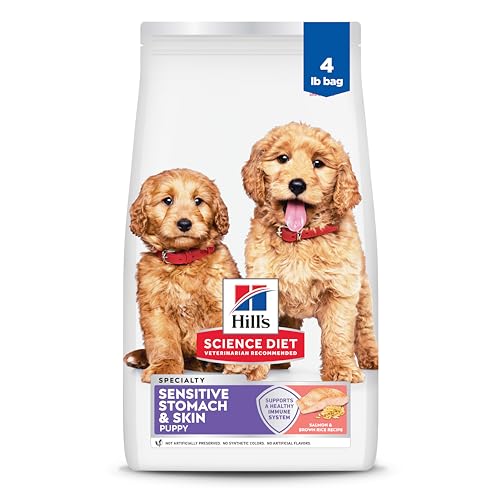
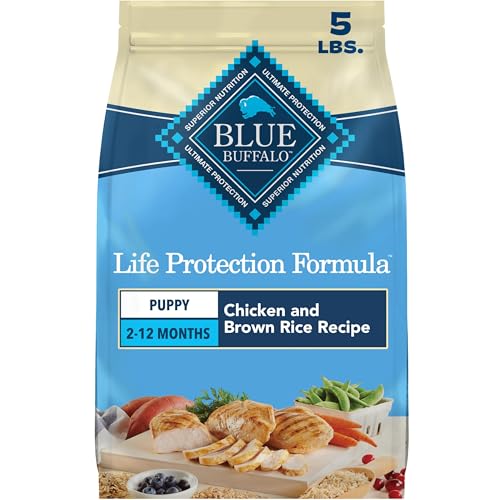
Our top pick is Purina Pro Plan Puppy Chicken & Rice Formula for its balanced protein and fat levels, added omega-3s for joint health, and optimal calorie density that supports steady growth without overheating. For sensitive stomachs, Hill’s Science Diet Puppy Sensitive Stomach & Skin is a strong runner-up, while Blue Buffalo Life Protection Puppy offers a grain-inclusive option with LifeSource Bits for immune support.
What to consider for Puppy Food For Dogs That Overheat
Puppies that overheat require a diet that supports thermoregulation. High protein levels generate more metabolic heat, so moderate protein (around 25-30% on a dry matter basis) and moderate fat (12-18%) are recommended. Easily digestible carbohydrates like rice or barley provide steady energy without excess heat production. Adequate moisture from wet food or added water can help with hydration. Omega-3 fatty acids (EPA and DHA) support joint and heart health, which is important for active puppies prone to overheating. Also consider kibble size and shape for your puppy’s breed; small kibble for small breeds and larger kibble for large breeds encourages proper chewing and slows eating, aiding digestion and reducing heat from rapid eating.
What to look for in a dog food
Look for a statement from AAFCO confirming the food is complete and balanced for growth. The first ingredient should be a named meat source (e.g., chicken, lamb, salmon). Protein should be moderate, around 25-30% dry matter; fat around 12-18%; and calories between 350 and 400 kcal per cup, depending on breed size and activity. For large-breed puppies (expected adult weight over 50 lbs), choose a large-breed specific formula to support controlled growth and joint health. Small-breed puppies may need smaller kibble and slightly higher calorie density. Omega-3 fatty acids from fish oil or flaxseed help reduce inflammation and support the heart and coat. Avoid excessive carbohydrates from fillers like corn and wheat, which can increase metabolic heat.
How we chose these picks
- Selected products that meet AAFCO nutrient profiles for growth
- Prioritized moderate protein and fat levels (25-30% protein, 12-18% fat) to reduce metabolic heat
- Evaluated ingredient quality, with named meat as the first ingredient
- Considered inclusion of omega-3 fatty acids for joint and heart support
- Checked for appropriate kibble size and shape for breed size
- Focused on grain-inclusive formulas to align with current feeding guidance
- Reviewed brand reputation and history of scientific formulation
- Never ranked a product higher just because it pays a commission
What to avoid
- Unnamed “meat meal” as the primary protein source
- Grain-free or legume-heavy recipes unless recommended by a veterinarian due to FDA DCM investigation
- All-life-stages food for large-breed puppies
- Abrupt diet switches; transition over 7-10 days to avoid digestive upset
For more guidance, visit our dog guides, dog food, and dog nutrition pages.