Quick answer
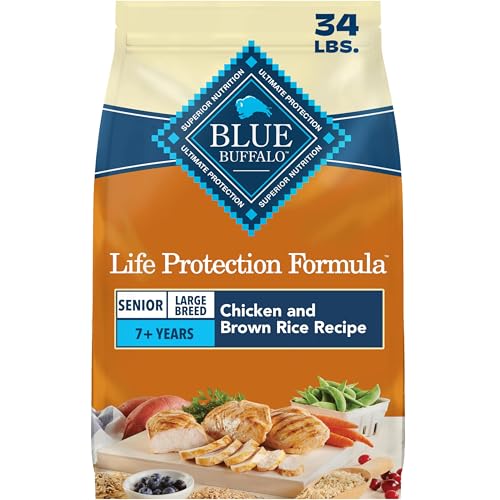
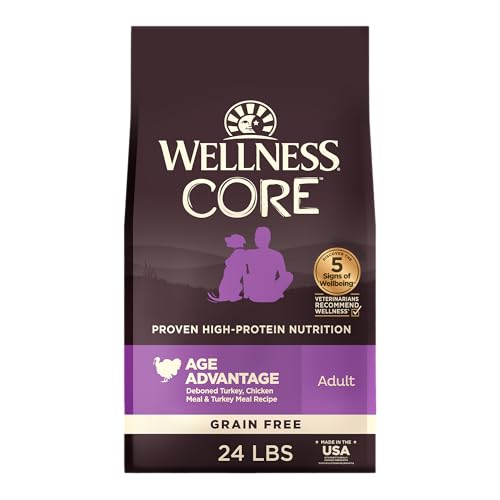
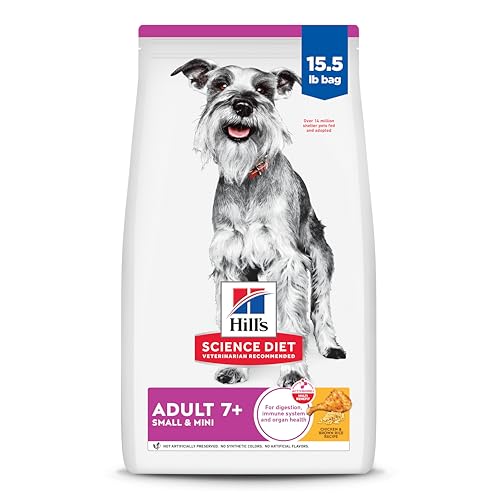
Our top pick is Hill’s Science Diet Adult 7+ Large Breed Chicken & Barley Recipe for its optimal balance of glucosamine, chondroitin, and controlled calories. For a budget-friendly option, consider Purina Pro Plan Bright Mind Adult 7+ Large Breed. If your dog has a sensitive stomach, Royal Canin Golden Retriever 7+ Adult Dry Dog Food is tailored specifically for the breed.
What to consider for Senior Dog Food For Golden Retrievers With Joint Issues
Senior Golden Retrievers are prone to joint problems like hip dysplasia and arthritis. Their metabolism slows, making weight management critical to reduce joint stress. Look for foods with added glucosamine and chondroitin for joint support, omega-3 fatty acids (EPA/DHA) for inflammation control, and moderate protein to maintain muscle mass without overloading kidneys. Calorie density should be lower than adult formulas to prevent obesity. Also consider large-breed-specific kibble size for easier chewing.
What to look for in a dog food
Ensure the food has an AAFCO statement confirming it is complete and balanced for adult maintenance or senior dogs. The first ingredient should be a named meat source (e.g., chicken, lamb, salmon). Protein content should be around 20 to 25% on a dry matter basis, fat around 10 to 15%, and fiber 3 to 5%. Calories should range from 300 to 400 kcal per cup. Large-breed formulas often have adjusted calcium and phosphorus levels. Joint-support ingredients like glucosamine, chondroitin, and omega-3s from fish oil or flaxseed are beneficial. Avoid excessive fillers and artificial preservatives.
How we chose these picks
- We prioritized foods with named meat as the first ingredient and AAFCO nutritional adequacy statements for adult or senior life stages.
- We evaluated joint-supporting ingredients: glucosamine, chondroitin, and omega-3 fatty acids (EPA/DHA) based on published veterinary nutrition guidelines.
- We considered calorie density and protein levels appropriate for senior Golden Retrievers to help maintain a healthy weight.
- We selected products from reputable brands with a history of conducting feeding trials and employing veterinary nutritionists.
- We reviewed ingredient lists for unnecessary fillers, artificial colors, and excessive carbohydrates.
- We checked for breed-specific or large-breed formulations that address common health issues in Golden Retrievers.
- We balanced price and availability to offer options across different budgets.
- Never ranked a product higher just because it pays a commission.
What to avoid
- Avoid foods where the first ingredient is an unnamed meat meal (e.g., “poultry meal” without specifying the source).
- Do not default to grain-free or legume-heavy recipes unless your veterinarian recommends it, as the FDA continues to investigate a potential link with canine dilated cardiomyopathy (DCM). Grain-inclusive diets are generally safer.
- Avoid all-life-stages foods for a senior large-breed dog, as they often have inappropriate calcium and phosphorus levels for older dogs.
- Steer clear of abrupt diet changes; transition over 7 to 10 days by mixing old and new food to prevent digestive upset.
For more guidance, check out our dog guides, dog food, and dog health articles.