Quick answer
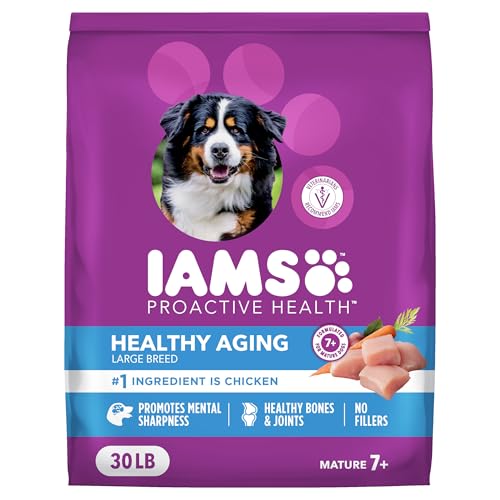
Our top pick is Hill’s Science Diet Adult 7+ Small Bites Chicken Recipe. It features glucosamine and chondroitin for joint support, plus vitamin E and omega-6s for skin health, which can benefit sensitive paws. For dogs with grain sensitivities, consider Purina Pro Plan Sensitive Skin & Stomach Salmon & Rice Formula. For a budget-friendly option, Iams ProActive Health Senior Dry Dog Food provides balanced nutrition with joint support.
What to consider for Senior Dog Food For Dogs With Sensitive Paws
Senior dogs often experience joint discomfort and skin changes that can affect their paws. Sensitive paws may be due to allergies, dryness, or pressure from arthritis. Look for foods with omega-3 and omega-6 fatty acids to support skin barrier function, and glucosamine and chondroitin for joint health. Limited ingredient diets can help identify and avoid potential allergens. Also consider kibble size and shape; smaller or softer kibble may be easier for seniors with dental issues or paw pain when standing to eat.
What to look for in a dog food
Choose a food that is AAFCO complete and balanced for adult maintenance or senior life stage. The first ingredient should be a named meat source (e.g., chicken, salmon). Protein levels around 20 to 30 percent are typical for seniors; fat around 10 to 15 percent helps maintain weight without excess calories. For large breeds, ensure calcium and phosphorus levels are appropriate. Added glucosamine and chondroitin support joints, while omega fatty acids aid skin health. Grain-inclusive recipes are generally recommended unless a vet advises otherwise.
How we chose these picks
- We evaluated products based on ingredient quality, with a focus on named meat sources and absence of artificial additives.
- We prioritized foods with added joint-supporting nutrients like glucosamine and chondroitin.
- We considered omega fatty acid content for skin and coat health.
- We selected options from reputable brands that meet AAFCO nutritional standards.
- We looked for recipes with limited ingredients or novel proteins to minimize potential allergens.
- We compared kibble size and texture for senior dogs.
- We reviewed customer feedback for palatability and reported improvements in paw sensitivity.
- Never ranked a product higher just because it pays a commission.
What to avoid
- Avoid foods with unnamed meat meals (e.g., “meat meal”) as the primary protein source.
- Do not default to grain-free recipes; the FDA continues to investigate a potential link between grain-free diets and canine DCM. Grain-inclusive is generally safer unless your vet recommends otherwise.
- Avoid all-life-stages foods for senior dogs, as they may not have the right nutrient balance for older pets.
- Do not switch foods abruptly; transition over 7 to 10 days to avoid digestive upset.
Explore more of our guides: dog guides, dog food, dog health.