Quick answer
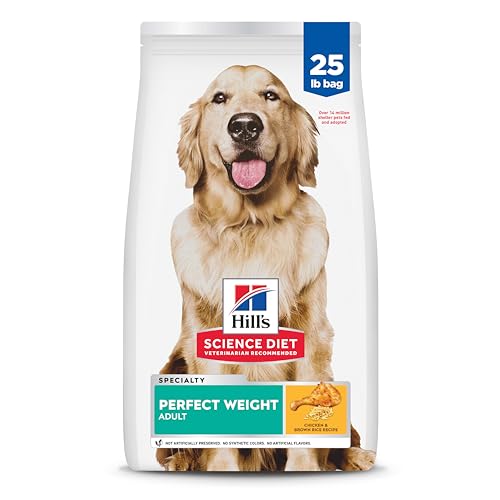
Our top pick is Purina Pro Plan Sport All Life Stages Performance 30/20, because it provides high protein and fat for working dogs while being calorie-dense enough for active neutered dogs. For those needing weight management, Hill’s Science Diet Adult Perfect Weight is a better fit. Royal Canin Neutered Adult Dog Food is ideal if your dog has a sensitive stomach.
What to consider for Working Dog Food For Neutered Dogs
Neutering reduces metabolic rate by about 20 to 30 percent, meaning your working dog needs fewer calories to maintain a healthy weight. However, working dogs still require high-quality protein for muscle maintenance and joint support for endurance. Look for a food with moderate fat (12 to 18 percent) and controlled calories (around 350 to 400 kcal per cup) to prevent weight gain while sustaining energy. Ingredients like glucosamine and chondroitin are beneficial for joint health, and omega-3 fatty acids support coat and skin condition. Avoid foods with excessive fillers or low-quality protein sources.
What to look for in a dog food
First, ensure the food has an AAFCO statement indicating it is complete and balanced for the appropriate life stage (adult maintenance or all life stages). The first ingredient should be a named meat source (e.g., chicken, beef, salmon). For neutered working dogs, look for protein levels around 25 to 30 percent and fat levels around 12 to 18 percent. Calorie content should be moderate, typically 350 to 400 kcal per cup, to avoid obesity. If your dog is a large breed, consider a formula with controlled calcium and phosphorus levels. Joint support ingredients like glucosamine, chondroitin, and omega-3 fatty acids are beneficial. Grain-inclusive recipes are generally recommended unless your vet advises otherwise.
How we chose these picks
- Evaluated nutritional profiles for protein, fat, and calorie content suitable for neutered working dogs.
- Checked that each product meets AAFCO nutrient profiles for the stated life stage.
- Prioritized named meat sources as the first ingredient.
- Considered inclusion of joint-supporting ingredients like glucosamine and omega-3s.
- Reviewed brand reputation and history of quality control.
- Selected a range of price points to accommodate different budgets.
- Ensured products are widely available on Amazon.
- Never ranked a product higher just because it pays a commission.
What to avoid
- Avoid foods where the only protein source is an unnamed “meat meal” (e.g., “poultry meal” without specifying the animal).
- Do not default to grain-free or legume-heavy recipes; the FDA is investigating a potential link between grain-free diets and canine dilated cardiomyopathy (DCM). Grain-inclusive diets are the safer default unless your veterinarian recommends otherwise.
- Avoid all-life-stages foods for large-breed puppies, as they may have improper calcium levels.
- Never switch your dog’s food abruptly; transition over 7 to 10 days to avoid digestive upset.
For more guidance, check our dog guides, dog food, and dog nutrition sections.