Quick answer
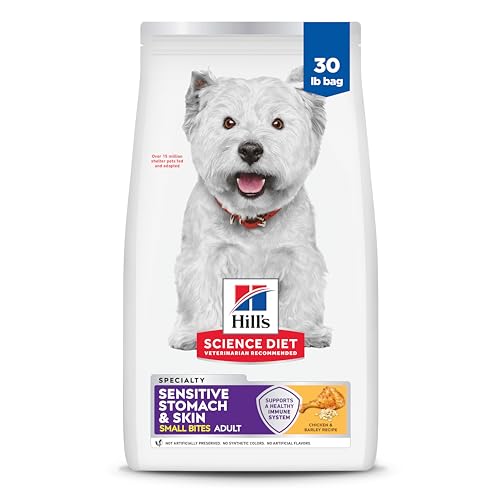
Our top pick is Purina Pro Plan Sensitive Skin & Stomach Salmon & Rice Formula. It offers a single animal protein source, is fortified with live probiotics for digestive health, and provides the calories and fat needed for working dogs. For a budget-friendly option, Diamond Naturals Lamb Meal & Rice Formula is a solid choice with added probiotics and omega fatty acids. If your dog has severe allergies, Hill’s Science Diet Adult Sensitive Stomach & Skin Chicken & Barley Recipe is a great alternative with prebiotic fiber.
What to consider for Working Dog Food For Allergies
Working dogs have high energy demands, so their food must provide adequate calories (typically 350 to 500 kcal per cup) and protein (25 to 30% on a dry matter basis) to sustain endurance and muscle maintenance. When allergies are a concern, the protein source must be novel or hydrolyzed to avoid triggering immune responses. Common allergens include chicken, beef, dairy, and wheat. Look for a single animal protein source and a limited carbohydrate profile. Omega-3 fatty acids from fish oil can help reduce skin inflammation. Also consider joint support ingredients like glucosamine and chondroitin, as working dogs are prone to joint stress.
What to look for in a dog food
First, ensure the food has an AAFCO statement confirming it is complete and balanced for the appropriate life stage (adult maintenance or all life stages). The first ingredient should be a named meat or meat meal (e.g., salmon, lamb). Protein content should be 25 to 30% for working dogs; fat 12 to 18%; fiber 3 to 5%. Calorie density should be 350 to 500 kcal per cup. For large breeds, kibble size and calcium levels matter to support joint health. Omega-3 and omega-6 fatty acids support skin and coat health. Probiotics or prebiotics aid digestion. Avoid foods with unnamed meat meals or excessive fillers.
How we chose these picks
- Evaluated ingredient lists for named protein sources and limited ingredients
- Checked AAFCO nutritional adequacy statements
- Compared guaranteed analysis for protein, fat, and fiber levels
- Considered calorie density to meet working dog energy needs
- Reviewed inclusion of omega fatty acids and joint supplements
- Assessed brand reputation and recall history
- Ensured availability on Amazon
- Never ranked a product higher just because it pays a commission
What to avoid
- Unnamed meat meal (e.g., poultry meal) as the sole protein source
- Grain-free or legume-heavy recipes unless specifically recommended by a veterinarian due to the FDA investigation into a potential link with canine dilated cardiomyopathy (DCM)
- All-life-stages food for a large-breed puppy, as it may have improper calcium levels
- Abrupt diet switches; transition over 7 to 10 days to avoid digestive upset
For more guidance, visit our dog guides and check out dog food and dog health resources.