Quick answer
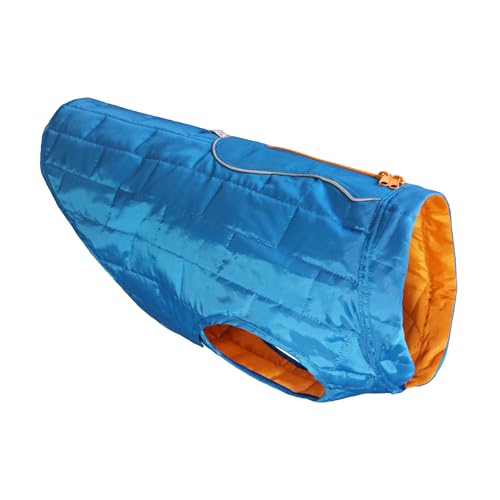
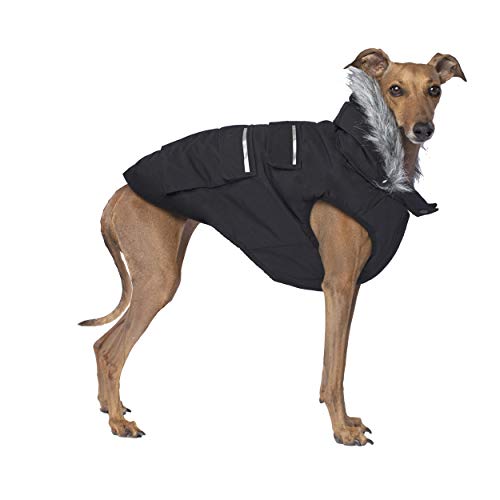
The Ruffwear Powder Hound is our top pick for deep-chested dogs because it offers extended chest coverage and a secure fit. For budget-conscious owners, the Chai’s Choice Extreme Jacket provides similar coverage at a lower price. The Kurgo Loft Jacket is ideal for active dogs thanks to its stretch panels.
What to consider for Dog Winter Coat For Deep Chested Dogs
Deep-chested breeds, such as Doberman Pinschers, Great Danes, and Greyhounds, have a narrow ribcage that requires a coat with extra length from neck to belly. Standard coats often ride up or leave the chest exposed. Look for coats with adjustable chest straps and a longer cut to ensure full coverage. Insulation should be sufficient for your climate, but avoid excessive bulk that restricts movement. Reflective trim is important for visibility during low-light walks.
What to look for in a gear item (harness, collar, leash or muzzle)
For a winter coat, correct fit and sizing are critical: measure the neck, chest girth, and back length. Durable hardware, such as rust-resistant zippers and strong buckles, ensures longevity. Safety features include reflective strips for visibility and a D-ring for leash attachment. Comfort and padding prevent chafing, especially around the armpits. A no-pull design is not typical for coats, but a well-fitted coat should not restrict movement.
How we chose these picks
- Evaluated product specifications for chest depth and length coverage.
- Compared customer feedback on fit for deep-chested breeds.
- Assessed material quality and insulation ratings.
- Checked for adjustable features like straps and harness openings.
- Considered price and value across different budgets.
- Prioritized safety features such as reflective elements.
- Never ranked a product higher just because it pays a commission.
What to avoid
- Avoid coats that are too short in the chest, as they will not provide adequate warmth.
- Steer clear of flimsy clips or zippers that can break during active use.
- Do not use aversive training tools without professional guidance.
- Retractable leashes are not recommended near traffic; use a standard 6-foot leash instead.
For more guidance, see our dog guides, dog care products, and dog health resources.