Quick answer
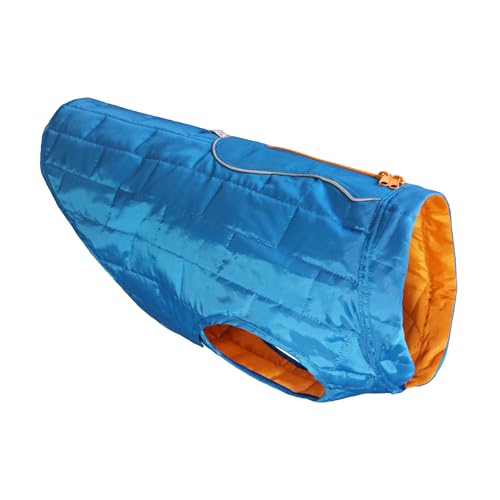
The Ruffwear Powder Hound Parka is our top pick for dogs with thin coats, offering exceptional insulation and a weatherproof shell. For budget-conscious owners, the Kurgo Loft Dog Jacket provides solid warmth at a lower price. If your dog needs maximum coverage, the Chai’s Choice Arctic Shield Extreme is an excellent choice.
What to consider for Dog Winter Coat For Dogs With Thin Coats
Dogs with thin coats, such as Greyhounds, Whippets, and Chihuahuas, lack the natural insulation of thicker-coated breeds. When choosing a winter coat, prioritize insulation that traps body heat, a windproof and waterproof outer layer, and a snug fit that covers the chest and belly. Look for coats with a high collar or hood to protect the neck, and ensure the coat does not restrict movement. Reflective trim enhances visibility during low-light walks. Consider the coat’s weight: heavy coats are best for extreme cold, while lighter options work for milder winters.
What to look for in a gear item (harness, collar, leash or muzzle)
While this guide focuses on winter coats, proper fit and safety are paramount. For coats, ensure the chest girth and length measurements match your dog. Durable hardware like YKK zippers and reinforced stitching prevent failure. Safety features include reflective strips for visibility and a D-ring for leash attachment. Padding around the neck and chest adds comfort, and a no-pull design (like a front clip harness) can help with leash manners, though not all coats have this. Always avoid coats that restrict movement or cause chafing.
How we chose these picks
- Evaluated insulation materials and warmth ratings for thin-coated breeds.
- Checked customer reviews for fit on sighthounds and other lean dogs.
- Assessed durability of outer shells and zippers.
- Prioritized coats with adjustable straps for a custom fit.
- Considered ease of putting on and taking off.
- Looked for safety features like reflective elements.
- Compared price points to offer options for various budgets.
- Never ranked a product higher just because it pays a commission.
What to avoid
- Avoid coats that are too loose or too tight; measure your dog carefully.
- Steer clear of flimsy zippers or snaps that may break on active dogs.
- Do not use aversive training tools like prong collars without professional guidance.
- Retractable leashes can be dangerous near traffic; use a standard 4-6 foot leash instead.
For more guidance, check our dog guides and dog care products and dog health sections.