Quick answer
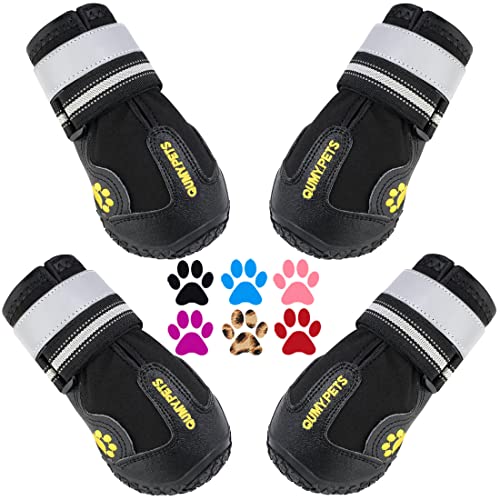
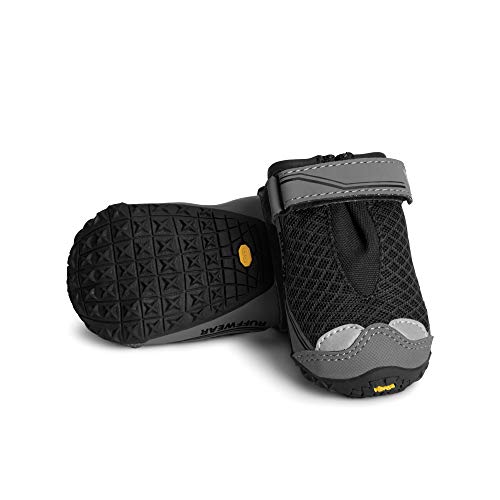
For most strong dogs, the Ruffwear Grip Trex Boots are our top pick thanks to their rugged Vibram outsole and secure closure system. They provide excellent traction and durability for active dogs. If you need a budget-friendly option, the Ultra Paws Durable Dog Boots offer solid protection at a lower price, though they may not last as long on very abrasive surfaces.
What to consider for Dog Boots For Strong Dogs
Strong dogs often pull hard, dig, and run on rough terrain, so boots must have robust construction and secure fastenings. Look for reinforced stitching, thick soles, and adjustable straps that stay tight. The boot material should resist tearing from claws and teeth. Also consider the boot’s height: taller boots offer more protection but may be harder to put on. Finally, ensure the boot allows natural paw movement to avoid discomfort.
What to look for in a gear item (harness, collar, leash or muzzle)
For dog boots, focus on correct fit and sizing: measure your dog’s paw width and length, and check the brand’s sizing chart. Durable hardware and materials are crucial; look for rubber or TPU soles and ripstop nylon uppers. Safety features include reflective trim for visibility and a non-slip sole. Comfort and padding matter for long wear; boots with a neoprene lining reduce chafing. A no-pull design isn’t directly applicable, but a secure closure (like hook-and-loop straps) prevents boots from slipping off during active use.
How we chose these picks
- Evaluated customer reviews and ratings from verified purchasers on major retail platforms.
- Compared material quality, including sole thickness and upper fabric durability.
- Assessed closure systems for ease of use and security during vigorous activity.
- Considered warranty and return policies as indicators of manufacturer confidence.
- Checked for safety features such as reflective elements and non-marking soles.
- Prioritized products that fit a wide range of paw sizes, especially for large breeds.
- Never ranked a product higher just because it pays a commission.
What to avoid
- Ill-fitting sizes: boots that are too tight restrict circulation, while loose ones cause blisters and fall off.
- Flimsy clips or straps that can break under the force of a strong dog pulling or running.
- Aversive tools used without professional guidance: boots are not training tools, so avoid using them to punish pawing or chewing.
- Retractable leashes near traffic: while not directly about boots, always use a standard leash when your dog is wearing boots to maintain control.
For more helpful resources, check out our dog guides, dog care products, and dog health categories.