Quick answer
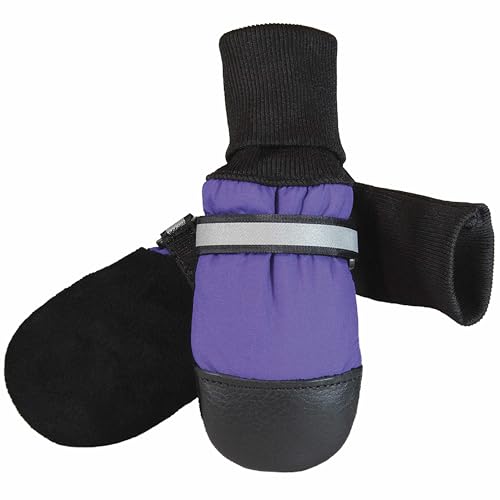
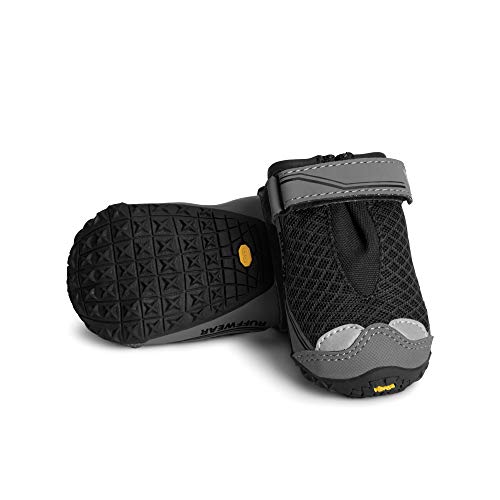
Our top pick is the Ruffwear Grip Trex for its exceptional traction, durable Vibram sole, and secure fit on large paws. For a budget-friendly alternative, the Muttluks Original Fleece-Lined Boots offer warmth and simplicity, though they lack the rugged outsole for extreme terrain. The Kurgo Step-N-Stay is ideal for dogs that need waterproofing and easy on-off.
What to consider for Dog Boots For German Shepherds
German Shepherds have large, oval-shaped paws with strong nails and a high activity level. Boots must accommodate their broad forepaws while staying secure on the narrower hind paws. Look for a wide opening and adjustable straps to prevent twisting. The boot height should cover the dewclaw area to avoid chafing. Consider the primary use: pavement protection requires a thick rubber sole, while snow and ice demand insulation and a non-slip tread. Breathability matters for warm weather, and a quick-dry lining helps with wet conditions.
What to look for in a gear item (harness, collar, leash or muzzle)
For dog boots, the key features are: correct fit and sizing (measure paw width and length, follow brand size charts), durable hardware and materials (reinforced stitching, abrasion-resistant fabric, non-slip sole), safety features (reflective trim for visibility, secure closure to prevent loss), comfort and padding (moisture-wicking lining, flexible sole for natural movement), and a no-pull design where relevant (boots should not restrict gait or cause rubbing).
How we chose these picks
- Evaluated sizing compatibility for German Shepherd paw dimensions (width 4 to 5 inches, length 4.5 to 5.5 inches).
- Assessed sole durability and traction on various surfaces (pavement, gravel, snow).
- Checked closure systems for security and ease of use (Velcro, zipper, buckle).
- Considered breathability and moisture management for all-day wear.
- Reviewed customer feedback for fit consistency and longevity.
- Prioritized brands with a reputation for quality and ethical manufacturing.
- Never ranked a product higher just because it pays a commission.
What to avoid
- Ill-fitting sizes that slip off or cause blisters; always measure both paws.
- Flimsy clips or Velcro that fails on strong dogs or rough terrain.
- Aversive tools used without professional guidance; boots should be introduced positively.
- Retractable leashes near traffic; boots do not replace leash control.
For more gear guides, visit our dog guides and check out dog care products or dog nutrition.