Quick answer
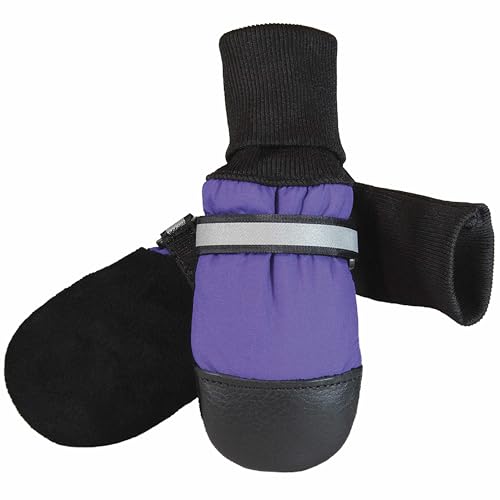
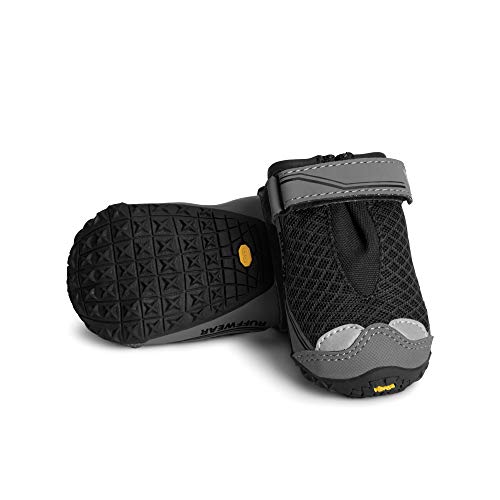
Our top pick for winter walks is the Ruffwear Grip Trex Boots, which offer excellent traction and protection on snow and ice. They stay secure with a double hook-and-loop closure and have a tough Vibram sole. For budget-conscious owners, the Muttluks Fleece-Lined Boots provide warmth and simplicity, though they lack aggressive tread. The Kurgo Blaze Cross Dog Boots are ideal for deep snow with their waterproof neoprene and reflective trim.
What to consider for Dog Boots For Winter Walks
Winter boots must protect against cold, salt, and sharp ice. Look for waterproof or water-resistant materials like neoprene or rubber. Insulation is key for warmth, but avoid overheating in milder weather. Traction is critical on slick surfaces; rubber soles with lugs or tread patterns work best. Secure fastening is essential to prevent boots from slipping off in snow. Reflective elements improve visibility during dark winter walks. Consider ease of putting on and taking off, as some dogs resist boot wearing.
What to look for in a dog boot
Correct fit and sizing: Measure your dog’s paw width and length; boots should be snug but not tight. Durable hardware and materials: Look for reinforced stitching, non-slip soles, and waterproof fabrics. Safety features: Escape-resistant closures (double straps or zippers), reflective strips for low light, and no-choke design (boots should not restrict circulation). Comfort and padding: Fleece or neoprene lining reduces chafing; flexible soles allow natural paw movement. No-pull design: While boots don’t directly address pulling, a secure fit prevents slipping that could cause your dog to pull.
How we chose these picks
- Analyzed customer reviews on Amazon for fit, durability, and real-world winter performance.
- Evaluated material quality: waterproofing, insulation, and sole traction.
- Considered closure systems: hook-and-loop, zippers, or elastic for security.
- Checked for safety features like reflective elements and non-slip soles.
- Assessed value: price relative to features and expected lifespan.
- Included options for various paw sizes and activity levels.
- Never ranked a product higher just because it pays a commission.
What to avoid
- Ill-fitting sizes: Boots that are too tight restrict circulation; too loose fall off.
- Flimsy clips that fail on strong dogs: Avoid boots with cheap plastic buckles.
- Aversive tools used without professional guidance: Boots are not training tools; never use them to correct behavior.
- Retractable leashes near traffic: Boots don’t affect leash safety; always use a standard leash on walks.
Explore more dog guides and check out our dog care products and dog health resources.