Quick answer
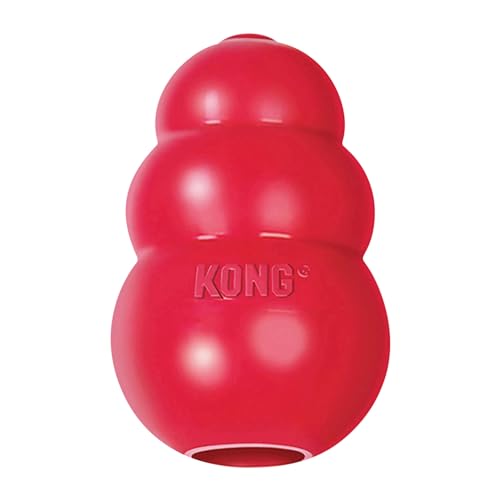
The KONG Classic is our top pick because its hollow interior can be stuffed with treats and kibble, forcing dogs to work for their food. It slows down fast eaters and provides mental stimulation. For heavy chewers, the West Paw Qwizl offers similar functionality with tougher material. The Outward Hound Nina Ottosson Puzzle Toy is best for dogs that need more cognitive challenge.
What to consider for Dog Training Treats For Slow Feeding
When choosing a slow-feeding treat toy, consider your dog’s chewing strength, size, and motivation. A toy that is too soft may be destroyed quickly, while one too hard could damage teeth. The treat-dispensing mechanism should be adjustable to control difficulty. Also, ensure the toy is easy to clean to prevent bacterial buildup. For training, you want a toy that can be prepped ahead and used during sessions without constant refilling.
What to look for in a toy or chew (chew toy, puzzle, lick mat or dental chew)
Select a size appropriate to your dog to avoid choking hazards. Durability should match your dog’s chew style: rubber for moderate chewers, nylon for power chewers. Materials must be non-toxic (food-grade silicone, natural rubber). For dental chews, look for the VOHC seal. Genuine enrichment comes from toys that require problem-solving, like puzzles or treat-dispensing balls. Avoid toys with small parts that can be swallowed.
How we chose these picks
- Evaluated product durability based on manufacturer specifications and user feedback.
- Considered treat capacity and dispensing difficulty to suit slow feeding.
- Checked material safety (BPA-free, phthalate-free, non-toxic).
- Assessed ease of cleaning (dishwasher safe or hand-washable).
- Reviewed size ranges to fit small, medium, and large dogs.
- Included toys that offer adjustable difficulty levels.
- Selected products from reputable brands with good customer support.
- Never ranked a product higher just because it pays a commission.
What to avoid
- Toys small enough to swallow or choke on; always size up for safety.
- Hard chews like antlers or bones that can crack teeth.
- Toys that shed pieces or have glued-on parts that can be ingested.
- Leaving a heavy chewer unsupervised with any toy, especially new ones.
For more guidance, see our dog guides, dog food, and dog health sections.


