Quick answer
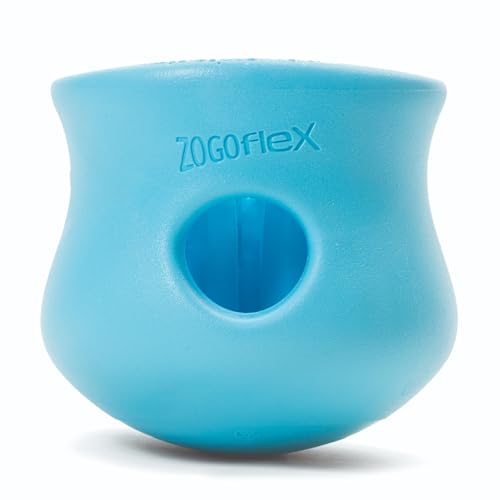
The best dog training pouch for slow feeding is the Outward Hound Fun Feeder Slo-Bowl, which combines a compact pouch design with raised ridges that slow eating by 10x. For dogs that need a more interactive challenge, the KONG Goodie Bone is a top runner-up. If you prefer a treat-dispensing toy that also slows feeding, the West Paw Toppl offers adjustable difficulty.
What to consider for Dog Training Pouch For Slow Feeding
When choosing a training pouch for slow feeding, consider the capacity: you need enough room for kibble or treats for a training session, but not so large that it encourages gulping. Look for a pouch with a wide opening for easy scooping and a secure closure to prevent spills. The material should be durable and easy to clean, ideally machine-washable. Also, consider the attachment method: belt clip, waist strap, or shoulder strap, depending on your mobility during training. Finally, ensure the pouch is designed to dispense food slowly, such as with internal ridges or a narrow opening.
What to look for in a toy or chew (chew toy, puzzle, lick mat or dental chew)
When selecting a toy or chew for slow feeding, prioritize size appropriate to your dog to avoid choking hazards. Durability should match your dog’s chewing strength; for heavy chewers, choose tough rubber or nylon. Non-toxic materials are essential; look for FDA-compliant or food-grade silicone. For dental chews, a VOHC seal indicates effectiveness. Genuine enrichment value comes from toys that challenge your dog to work for food, like puzzles or treat-dispensing balls.
How we chose these picks
- Researched top-rated products on Amazon with verified reviews.
- Evaluated capacity and ease of filling for training sessions.
- Assessed slow-feeding effectiveness through design features like ridges or mazes.
- Considered durability and material safety for dogs.
- Checked for ease of cleaning, including dishwasher or machine-washability.
- Compared price and value across different brands.
- Read expert recommendations from veterinary and training sources.
- Never ranked a product higher just because it pays a commission.
What to avoid
- Avoid pouches small enough to be swallowed or that have detachable parts that pose a choking risk.
- Avoid hard plastic toys that can crack teeth if your dog is an aggressive chewer.
- Avoid toys that shed pieces or have weak seams that can break apart.
- Never leave a heavy chewer unsupervised with a new toy; always monitor the first few uses.
For more guidance, check out our dog guides and explore dog food and dog health resources.