Quick answer
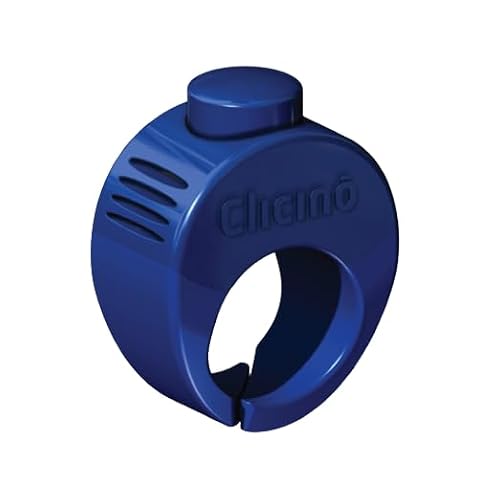
Our top pick is the PetSafe Clik-R Trainer for its loud, consistent click and comfortable ergonomic design. It works well for both indoor and outdoor training. If you prefer a quieter clicker for sensitive dogs, the KONG Clicker is a great alternative. For a budget-friendly option, the Paws Abilities Clicker offers reliable performance at a lower price.
What to consider for Dog Clicker For Australian Shepherds
Australian Shepherds are highly intelligent and respond well to positive reinforcement. A clicker should produce a sharp, distinct sound that cuts through distractions. Durability matters because you may use it during active play or outdoor sessions. Look for a clicker with a comfortable grip, as you will be pressing it many times. Some clickers have a button that is easy to press without shifting your hold. Also consider the volume: a louder clicker is better for outdoor training, while a softer one may suit indoor or noise-sensitive environments.
What to look for in a toy or chew (chew toy, puzzle, lick mat or dental chew)
For Australian Shepherds, choose a size appropriate to the dog to avoid choking. Durability should match their chew strength; many Aussies are moderate to strong chewers. Non-toxic materials are essential. For dental chews, look for a VOHC seal. Genuine enrichment value comes from toys that challenge their problem-solving skills, like puzzle toys or treat-dispensing chews.
How we chose these picks
- Evaluated clicker sound clarity and volume based on product descriptions and reviews.
- Assessed ergonomics and ease of use for extended training sessions.
- Considered durability from materials and user feedback on long-term use.
- Checked for additional features like wrist straps or button placement.
- Included a range of price points to suit different budgets.
- Prioritized products with positive reviews from Australian Shepherd owners.
- Never ranked a product higher just because it pays a commission.
What to avoid
- Clickers with a very quiet click that may not be heard over background noise.
- Clickers that are too small or slippery, making them hard to hold during training.
- Clickers with a stiff button that requires excessive force to press.
- Leaving a clicker where a dog can chew it, as parts could be swallowed.
For more tips, check out our dog guides, dog care products, and dog health sections.