Quick answer
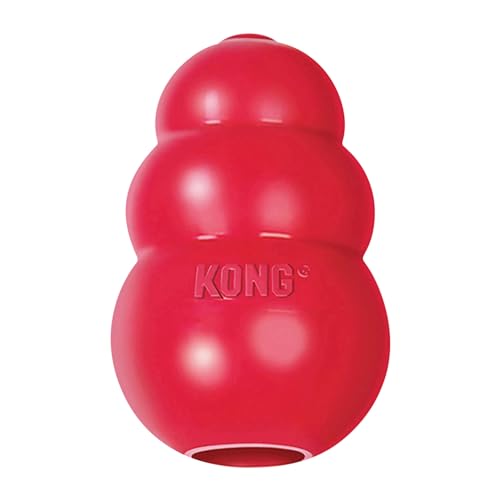
Our top pick is the **KONG Classic Dog Toy** for its versatility as both a slow feeder (when stuffed with food) and a training aid. It’s durable, bounces unpredictably for engagement, and works for most dogs. For heavy chewers, the **West Paw Qwizl** offers superior toughness and treat-dispensing. If you need a collar-specific solution, the **PetSafe Gentle Leader** head collar provides gentle control for training while you feed slowly.
What to consider for Dog Training Collar For Slow Feeding
A dog training collar for slow feeding should address both pacing and behavior. Look for a collar that fits comfortably without restricting breathing or swallowing. Martingale or head collars are popular because they provide gentle correction without choking. The slow-feed aspect can come from a separate puzzle toy or a built-in slow-feed bowl attached to the collar. Ensure the collar is adjustable, made of non-toxic materials, and easy to clean. Training collars should be used under supervision and never left on unattended.
What to look for in a toy or chew (chew toy, puzzle, lick mat or dental chew)
Choose a size appropriate for your dog to prevent choking. Durability must match your dog’s chew strength: soft rubber for light chewers, tough nylon or hard rubber for aggressive chewers. Non-toxic materials are essential (BPA-free, food-grade). For dental chews, look for the VOHC seal of acceptance. Genuine enrichment value comes from interactive features like treat compartments, varying textures, or puzzle challenges that engage your dog’s mind.
How we chose these picks
- Evaluated product specifications from manufacturer websites and reputable retailers.
- Considered safety features such as breakaway buckles, non-toxic materials, and appropriate sizing.
- Read customer reviews to identify common praise and complaints.
- Consulted veterinary and training guidelines for slow feeding and behavior modification.
- Compared price points to ensure value across budgets.
- Focused on products that combine training collar functionality with slow-feeding benefits.
- Never ranked a product higher just because it pays a commission.
What to avoid
- Toys small enough to swallow or that have parts that can be chewed off and ingested.
- Hard chews like antlers or bones that can crack teeth.
- Toys that shed pieces or have weak seams that fall apart.
- Leaving a heavy chewer unsupervised with any toy, especially if it’s not indestructible.
For more guidance, see our dog guides and explore dog care products or dog health.


