Quick answer
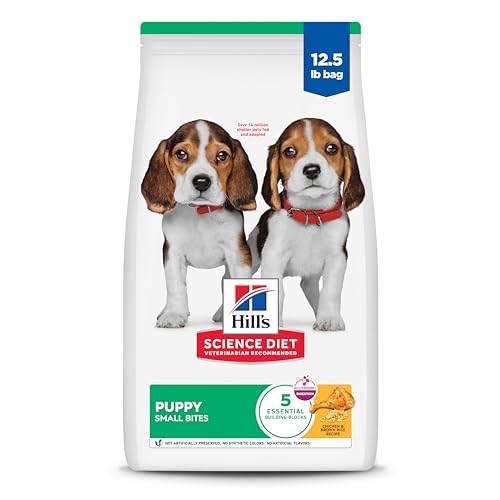
Our top pick is Royal Canin Dachshund Puppy Dry Dog Food, designed specifically for the breed’s long body and small size. It supports healthy growth with controlled calcium and phosphorus. If your puppy has a sensitive stomach, Hill’s Science Diet Puppy Small Bites is a great alternative. For budget-conscious owners, Purina Pro Plan Puppy Small Breed offers solid nutrition at a lower price.
What to consider for Senior Dog Food For Dachshund Puppies
Dachshund puppies are prone to intervertebral disc disease (IVDD) due to their long spines. A diet that supports bone and joint health with appropriate calcium levels is crucial. They also need small kibble size to prevent choking and promote dental health. As puppies, they require higher protein and fat for growth, but overfeeding can lead to obesity, which stresses the back. Choose a food formulated for small breed puppies with controlled calories.
What to look for in a dog food
Look for an AAFCO statement confirming the food is complete and balanced for growth or all life stages. The first ingredient should be a named meat like chicken, lamb, or fish. Protein should be around 22 to 32% dry matter, fat 12 to 20%, and calories 350 to 450 kcal per cup. Small breed formulas have smaller kibble. Joint support from glucosamine and chondroitin is beneficial. Omega-3 fatty acids from fish oil support skin and coat health.
How we chose these picks
- Evaluated ingredients for named protein sources and absence of artificial additives.
- Checked AAFCO nutritional adequacy statements for growth or all life stages.
- Assessed kibble size suitability for small breed puppies.
- Considered calcium and phosphorus levels appropriate for large breed puppies (though dachshunds are small, they are at risk for bone issues).
- Reviewed brand reputation and manufacturing quality standards.
- Compared price per pound and feeding cost.
- Read customer feedback on palatability and digestive tolerance.
- Never ranked a product higher just because it pays a commission.
What to avoid
- Avoid foods with unnamed meat meal as the only protein source.
- Do not default to grain-free or legume-heavy recipes unless advised by your vet due to the FDA investigation into a potential link with DCM.
- Steer clear of all-life-stages foods for large breed puppies as they may have improper calcium levels.
- Avoid abrupt diet switches; transition over 7 to 10 days.
For more guidance, check out our dog guides, dog food, and dog nutrition articles.