Quick answer
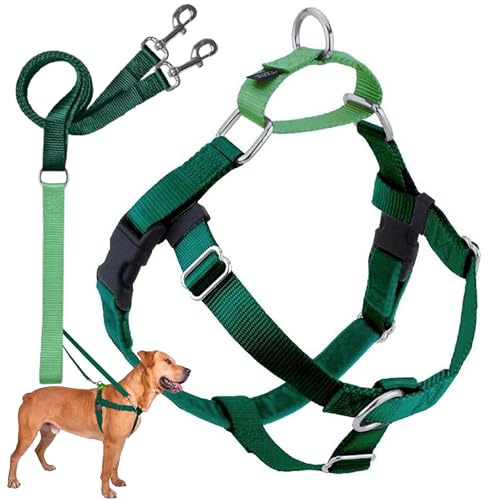
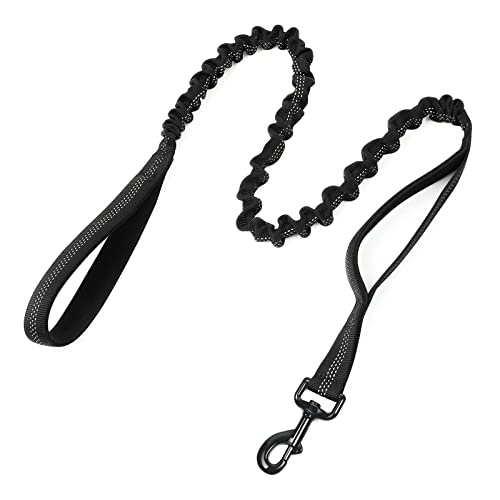
The best dog leash for German Shepherds is the Ruffwear Knot-a-Leash for its durability, comfortable handle, and reflective trim. For no-pull training, the 2 Hounds Design Freedom No-Pull Leash is excellent. If you need a budget-friendly option, the Rabbitgoo Heavy Duty Leash offers great value. The Kurgo Quantum Leash is ideal for multi-functional use, and the PetSafe Nylon Leash works well for basic training.
What to consider for Dog Leash For German Shepherds
German Shepherds are large, powerful dogs with high energy and a strong prey drive. A leash must be strong enough to handle sudden pulls and durable to withstand chewing. The length should provide control without being too restrictive; 4 to 6 feet is standard. Handles should be padded for comfort during long walks. Reflective stitching or attachments improve visibility in low light. Consider a leash with a traffic handle for close control in busy areas. For training, a leash that allows quick attachment to a harness or collar is beneficial. Avoid retractable leashes as they can break or cause injury with a strong pull.
What to look for in a dog leash
Correct fit and sizing: choose a leash width of 1 inch or more for strength. Durable hardware and materials: look for solid metal clips (e.g., brass or stainless steel) and strong nylon or leather webbing. Safety features: reflective stitching, a traffic handle, and a secure clip that won’t accidentally open. Comfort and padding: a padded handle reduces strain on your hands. No-pull design: some leashes have multiple attachment points or a martingale loop to discourage pulling without choking.
How we chose these picks
- We analyzed customer reviews and ratings from verified purchasers on Amazon.
- We considered leash material, clip strength, and overall durability for large breeds.
- We evaluated comfort features like padded handles and reflective elements.
- We prioritized leashes with safety features such as traffic handles and secure clips.
- We looked at versatility for training, daily walks, and outdoor activities.
- We compared price points to offer options for different budgets.
- Never ranked a product higher just because it pays a commission.
What to avoid
- Ill-fitting sizes: a leash that is too thin may break under pressure; too thick may be uncomfortable to hold.
- Flimsy clips that fail on strong dogs: avoid plastic clips or thin metal that can bend or snap.
- Aversive tools used without professional guidance: prong or choke collars can cause injury if misused.
- Retractable leashes near traffic: they can break or allow the dog to run into danger.
For more guidance, check out our dog guides and dog care products or dog training resources.