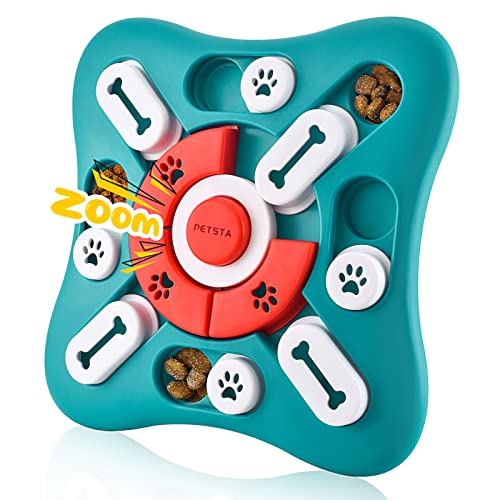
You are sitting on the couch, nibbling on a block of cheddar, and your dog gives you those big, hopeful eyes. The question pops into your head: can dogs eat cheese? The short answer is yes, for most dogs, cheese is safe as an occasional treat. But before you break off a big chunk, there are a few important things to know about your dog’s digestion, weight, and overall health. Cheese is not a natural part of a dog’s diet, but when chosen wisely and fed in small amounts, it can be a handy tool for training or a special reward.
Is Cheese Safe for All Dogs?
The safety of cheese depends entirely on your individual dog. Many dogs are lactose intolerant, meaning they lack enough lactase enzyme to break down the milk sugar in cheese. This can lead to gas, bloating, or diarrhea. However, not all cheeses are equal. Hard, aged cheeses like cheddar, parmesan, and Swiss have very little lactose, so they are often tolerated well. Soft cheeses like mozzarella, cottage cheese, and cream cheese contain more lactose and should be given more sparingly. If your dog has a sensitive stomach, start with a tiny piece and watch for any tummy trouble. For breeds known to have sensitive digestion, like the Australian Shepherd, it is especially wise to test small amounts first. You can read more about their temperament and needs in our guide Are Australian Shepherds Good Family Dogs.
How Much Cheese Can a Dog Eat?
Moderation is the golden rule. Cheese is high in fat and calories, and too much can lead to obesity or pancreatitis, a painful inflammation of the pancreas. A good guideline is the 10 percent rule: treats, including cheese, should make up no more than 10 percent of your dog’s daily calorie intake. For a small dog, that might mean a single cube of cheddar once a day. For a large breed like a Cane Corso, you could offer a few small cubes, but keep it rare. Because larger dogs also need proper nutrition, consider pairing cheese with a balanced diet. Check out our recommendations for 5 Best Dog Foods for Cane Corsos: High-Protein Picks to ensure your big buddy stays lean and strong.
Freeze small cubes of low-fat mozzarella or cheddar for a refreshing summer treat. It takes longer to eat, which gives your dog a little mental stimulation and a cool reward on a hot day.
Which Cheeses Are Best and Worst?
Not all cheese is created equal for dogs. Here is a quick breakdown:
- Safe in small amounts: Cheddar, Swiss, parmesan, mozzarella, cottage cheese (low-fat), and goat cheese. These are lower in lactose and sodium.
- Use with caution: Cream cheese, brie, and feta. They are higher in fat and lactose.
- Avoid entirely: Blue cheese (contains roquefortine, which can be toxic), cheese with garlic or onion (both are toxic to dogs), and highly processed cheese products like cheese spreads or cheese in a can (loaded with salt and additives).
Always check the label. If your dog has a history of pancreatitis or is overweight, skip cheese altogether. For active, smart breeds like the Australian Shepherd, you might find that using tiny cheese bits as a reward during puzzle play is very effective. Our guide to Puzzle Toys for Australian Shepherds: Top Picks for Smart Dogs can help you combine treats with brain games.
Can Cheese Help With Hiding Pills?
Yes, cheese is one of the best tools for getting a stubborn dog to take medication. A small, soft piece of cheese can easily wrap around a pill, and the strong smell masks the medicine. Just make sure the cheese is not too hard, and that your dog swallows the pill whole without chewing it (some pills taste bitter if broken). If your dog is on a special diet, ask your vet first. For dogs that need to eat slowly, you can also use a small dab of cream cheese smeared inside a slow feeder. For example, the Slow Feed Dog Bowls for Australian Shepherds can be a great way to make a pill-hiding cheese treat last a little longer.
“Cheese is like a secret handshake between you and your dog, a tiny, delicious bond. But like any secret, use it wisely.”
What About Puppies and Senior Dogs?
Puppies have developing digestive systems and are more prone to diarrhea from rich foods. It is best to avoid cheese for very young puppies (under 8 weeks) and introduce it only in tiny, pea-sized amounts after they are on solid food. For senior dogs, cheese can be a useful way to encourage a picky eater or to hide joint supplements. However, older dogs are more susceptible to weight gain and pancreatitis, so keep portions very small. If you have a growing Australian Shepherd puppy, you will want to focus on proper nutrition first. Our guide on Best Dog Food for Australian Shepherd Puppies offers great advice for building a healthy foundation.
Signs Your Dog Should Not Eat Cheese
Every dog is different. If after eating cheese your dog shows signs like vomiting, diarrhea, excessive gas, or a bloated belly, stop giving cheese immediately. Some dogs have a true dairy allergy, which can cause itchy skin, ear infections, or chronic digestive upset. If you suspect an allergy, remove cheese and all dairy from their diet for two weeks and see if symptoms improve. When in doubt, always ask your veterinarian. They know your dog’s specific health history and can give you personalized advice. Cheese is a treat, not a meal, and your dog’s health comes first.