You’re chopping up some fresh coconut, and your dog is giving you that look. The head tilt, the soft whine, the tail wagging like a metronome. It’s tempting to toss a piece their way. But can dogs eat coconut safely? The short answer is yes, with some serious caveats. Coconut meat, milk, and oil can offer certain benefits, but the hard shell, added sugars, and large amounts can cause trouble. Let’s break down exactly what you need to know before sharing this tropical treat with your pup.
Is Coconut Safe for Dogs? The Straight Facts
Plain, fresh coconut meat is generally safe for dogs in small quantities. It contains medium-chain triglycerides (MCTs), which some studies suggest can support brain health and provide a quick energy source. However, coconut is also high in fat and fiber. Too much can lead to an upset stomach, diarrhea, or even pancreatitis in sensitive dogs. The biggest danger is the hard, fibrous shell. If a dog swallows a chunk of shell, it can cause a dangerous intestinal blockage. Always peel away the brown skin and only offer the white flesh. For dogs with a history of pancreatitis or obesity, it’s best to skip coconut entirely and consult your vet.
Health Benefits: What the Good Stuff Does
When fed in moderation, coconut can offer a few real perks. The MCTs in coconut are metabolized differently than long-chain fats, which means they can be used for quick energy rather than stored as fat. Some owners report shinier coats and less itchiness, though research on this in dogs is limited. Coconut also has antibacterial and antiviral properties due to lauric acid, which may support the immune system. But don’t expect miracles. Think of coconut as a small bonus, not a cure-all. If your dog is active and needs a little extra fuel, a tiny piece of fresh coconut can be a nice change from standard treats. Just keep portions tiny, especially for smaller breeds.
Risks and When to Say No
There are three main risks: fat content, choking hazards, and added ingredients. Because coconut is high in fat, feeding too much can trigger pancreatitis, a painful and serious condition. Signs include vomiting, loss of appetite, and a hunched back. If your dog is prone to digestive issues or is overweight, it’s safer to avoid coconut. Also, never give your dog coconut water from a young green coconut, as it contains high levels of potassium and can cause electrolyte imbalances. And stay far away from sweetened shredded coconut, coconut candy, or any product with xylitol (a toxic sweetener sometimes found in coconut snacks). Stick to plain, unsweetened, fresh coconut only.
Never let your dog chew on a whole coconut or eat the hard shell. The shell can splinter and cause choking or a life-threatening blockage. Always serve only the soft white flesh, cut into small, manageable pieces.
How to Serve Coconut to Your Dog Safely
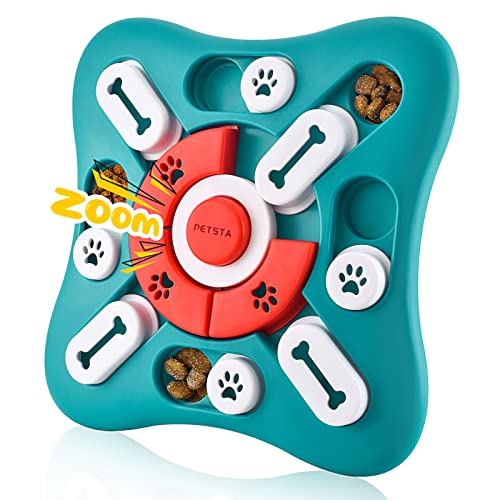
Start small. For a medium-sized dog, a piece about the size of your thumbnail is plenty. For a toy breed, a piece the size of a pea is enough. You can offer fresh raw coconut, or you can bake unsweetened coconut flakes at a low temperature until dry (no oil or salt added). Coconut oil is another option: a quarter teaspoon for small dogs, up to one teaspoon for large dogs, mixed into their food. But go slowly. Introduce any new food one tiny portion at a time and watch for any signs of tummy trouble. If your dog has a sensitive stomach, consider using a slow feed dog bowl to help them eat more carefully, especially if they tend to gulp treats.
Coconut Oil vs. Coconut Meat: Which Is Better?
Both have their place, but they aren’t the same. Coconut oil is pure fat, so it’s more concentrated and easier to overdo. A little dab can help with dry paws or a rough nose, but eating too much will cause loose stools. Coconut meat has fiber and a bit of protein, making it a more balanced snack. If you’re using coconut oil for skin issues, apply it topically first and see if your dog licks it off. If they do, that’s fine in tiny amounts. For an active breed like an Australian Shepherd, a small piece of fresh coconut can be a fun training reward, but always pair it with mental stimulation like puzzle toys for Australian Shepherds to keep their mind engaged.
What About Coconut Milk and Coconut Water?
Coconut milk (the kind in a carton) often contains added sugars, preservatives, and thickeners like guar gum, which can upset your dog’s stomach. Canned coconut milk is very high in fat and should be avoided. Coconut water from mature brown coconuts is generally safe in tiny sips, but it’s not necessary and can cause loose stools. The best choice is always fresh coconut meat. If you want to offer a hydrating treat, stick to plain water or ice cubes. For larger breeds like Cane Corsos, who need proper hydration and steady nutrition, focus on a balanced diet with high-quality best dog foods for Cane Corsos rather than relying on coconut for any nutritional boost.
“A tiny taste of coconut is a treat, not a meal. Keep it small, keep it plain, and keep your dog safe.”
Signs Your Dog Ate Too Much Coconut
If your dog sneaks a big piece or you accidentally overdo it, watch for these signs: vomiting, diarrhea, bloating, or excessive gas. These symptoms usually appear within a few hours. If they are mild, withhold food for 12 hours and offer plenty of fresh water. If symptoms are severe or your dog seems in pain, call your vet immediately. Also, if your dog swallowed a piece of the hard shell, that’s an emergency. Don’t wait. Go to the vet or an emergency clinic. Prevention is always better than treatment, so keep coconuts and coconut products out of reach when you’re not actively preparing them.
Botanically, coconut is a drupe, not a tree nut. So if your dog has a nut allergy, coconut is usually safe. But always check with your vet first, as individual sensitivities vary.
Final Tips for Coconut as a Dog Treat
Use coconut as an occasional snack, not a daily staple. A good rule of thumb is the 90/10 rule: 90% of your dog’s calories should come from a complete and balanced dog food, and 10% can come from treats and toppers. If you’re feeding a breed that thrives on routine and structure, like an Australian Shepherd, make sure treats don’t interfere with their regular meal schedule. You can even use tiny pieces of coconut as a high-value reward during training sessions, but keep the pieces very small. And remember, every dog is different. What works for one might cause issues for another. When in doubt, ask your vet before introducing any new human food.