If you have ever watched a rabbit drink, you know they are particular little creatures. You might be wondering whether a simple water bowl is safe or if you need a special bottle. The short answer is: yes, rabbits can absolutely drink from a bowl without problems, and for most bunnies, a bowl is actually the healthier and more natural choice. Bowls allow your rabbit to drink in a natural head-down position, which is better for their neck and spine, and they encourage more water intake overall. Let us walk through everything you need to know to make bowl drinking a success for your rabbit.
Why Bowls Are Better Than Bottles for Rabbits
Many owners assume a water bottle is the standard, but rabbits in the wild drink from ground-level sources. A bowl lets your rabbit lap water in a natural posture, reducing strain on their neck. Bottles can also be harder to drink from, requiring more effort, which sometimes leads to dehydration. Bowls provide easier access and encourage your rabbit to drink more, which is vital for kidney health and digestion. Plus, you can easily monitor how much your rabbit is drinking each day, which helps you spot potential health issues early.
Choosing the Right Bowl to Avoid Problems
Not every bowl is rabbit-safe. The key is to pick a heavy, ceramic or stainless steel bowl that cannot be tipped over. Light plastic bowls are easily flipped, leading to wet bedding and a frustrated bunny. A heavy ceramic bowl with a wide, flat base stays put even when your rabbit hops around. Avoid bowls with sharp edges or those that are too shallow, as whisker fatigue can occur if the bowl is too deep and narrow. A good rule is to choose a bowl that is about 4 to 6 inches wide and at least 2 inches deep.
Common Concerns: Wet Chin and Skin Issues
One worry owners have is “wet chin” or moisture dermatitis. This happens when a rabbit dips their chin into the water and then sits in a damp area. To prevent this, use a bowl that is not too deep, and place it on a flat, non-absorbent surface. If your rabbit has a very fluffy chin, you can trim the fur around their mouth slightly to keep it dry. Also, check the bowl daily for droppings or hay, as rabbits sometimes like to toss things into their water. Keeping the bowl clean and fresh prevents bacteria buildup that could irritate their skin.
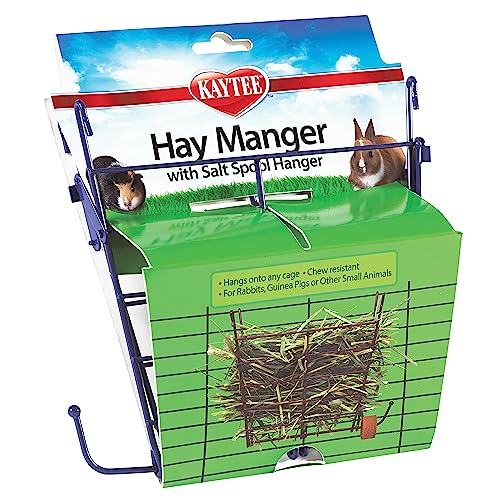
Some rabbits love to dunk their toys or hay in their water bowl. This is normal behavior, but it means you will need to change the water more often. Providing a separate hay rack can help keep hay out of the water and encourage cleaner drinking.
How to Introduce a Bowl to a Bottle-Trained Rabbit
If your rabbit has only ever used a bottle, they might not immediately understand a bowl. Start by placing the bowl next to their bottle so they can see it. You can dip your finger in the water to show them, or gently touch their nose to the water. Most rabbits figure it out within a day or two. Once you see them drinking from the bowl consistently, you can remove the bottle. Be patient and keep the water fresh. Some rabbits prefer a bowl that is slightly elevated on a platform, but for most, floor level is fine.
“A hydrated rabbit is a happy rabbit, and a bowl is the simplest way to keep them that way.”
Keeping the Bowl Clean and Safe
Rabbits are clean animals, and they appreciate fresh water. Wash the bowl with hot, soapy water every day and rinse thoroughly. Avoid using harsh chemicals or bleach, as residue can be harmful. Stainless steel bowls are dishwasher safe and resist bacteria better than plastic. Ceramic bowls are also easy to clean but can chip, so check for cracks regularly. Change the water at least once a day, more often if you notice debris. A clean bowl prevents algae growth and keeps your rabbit from getting sick.
When a Bowl Might Not Be Ideal
There are a few situations where a bowl might cause problems. For very young rabbits or those with mobility issues, a shallow, non-tip bowl is still fine, but you may need to monitor them more closely. If your rabbit has a habit of flipping bowls or digging in the water, try a heavier ceramic bowl or a bowl that clips to the side of their enclosure. Also, if you have multiple rabbits, provide multiple bowls to avoid competition. For rabbits that live outdoors in freezing weather, a heated bowl or a bottle might be necessary to prevent the water from icing over. In those cases, a bottle can be a backup option, but a bowl is still preferred when temperatures allow.
Beyond hydration, a comfortable environment supports your rabbit’s overall well-being. Providing a safe space to rest and play is just as important. Consider a cozy hideout where your rabbit can retreat after a good drink, or a exercise pen to give them room to hop and explore. Keeping your rabbit active and stress-free encourages healthy drinking habits.
If you notice your rabbit is not drinking from the bowl after a few days, or if they seem lethargic, contact your veterinarian. Dehydration can be serious, and a vet can rule out underlying health issues. But for the vast majority of rabbits, a bowl is a safe, simple, and superior way to provide water.