You want to share a crisp, refreshing treat with your bunny, especially on a warm day. Iceberg lettuce seems harmless, right? It is crunchy, watery, and cheap. But the truth is, iceberg lettuce is one of the worst leafy greens you can give your rabbit. It is not toxic, but it can cause real problems. Let us break down exactly why, and what to feed instead.
Why Iceberg Lettuce Is Bad for Rabbits
Iceberg lettuce is mostly water, about 96 percent. While hydration sounds good, this lettuce contains very little fiber, vitamins, or minerals that rabbits need. A rabbit’s digestive system relies on high-fiber foods like hay to keep things moving. When you replace that fiber with watery lettuce, you risk loose stools or diarrhea. Diarrhea in rabbits is dangerous because it can lead to dehydration and gut stasis quickly. Also, iceberg lettuce contains lactucarium, a milky fluid that can have a mild sedative effect. While not harmful in tiny amounts, it is not something you want in your bunny’s regular diet.
What Happens If Your Rabbit Eats Iceberg Lettuce?
If your rabbit snatches a piece of iceberg lettuce from your plate, do not panic. A single small piece is unlikely to cause harm. However, if they eat a larger amount, watch for soft cecotropes (the sticky, nutrient-rich droppings) or actual diarrhea. You might also notice gas or bloating because the high water content can upset the gut flora. If your bunny seems uncomfortable, stops eating hay, or has runny stools for more than 12 hours, call your vet. For most rabbits, a one-time nibble is fine, but it should never become a habit.
Even if you choose to feed a safer lettuce like romaine, always wash it thoroughly. Iceberg lettuce is often heavily sprayed. If you must feed any lettuce, buy organic and rinse well. Better yet, stick to dark leafy greens that pack more nutrition.
Safe Lettuce Alternatives for Your Rabbit
Instead of iceberg, offer your rabbit darker, more nutrient-dense greens. Romaine lettuce is a good choice because it has more fiber and vitamins A and C. Other great options include red leaf lettuce, green leaf lettuce, butter lettuce, and arugula. Always introduce new greens slowly, one at a time, and in small amounts. A good rule is to give about one cup of fresh greens per two pounds of body weight daily, split into two servings. Mix up the types to provide variety. Avoid spinach and kale in large amounts because they are high in oxalates, which can cause bladder issues over time.
What to Do If Your Rabbit Refuses Hay
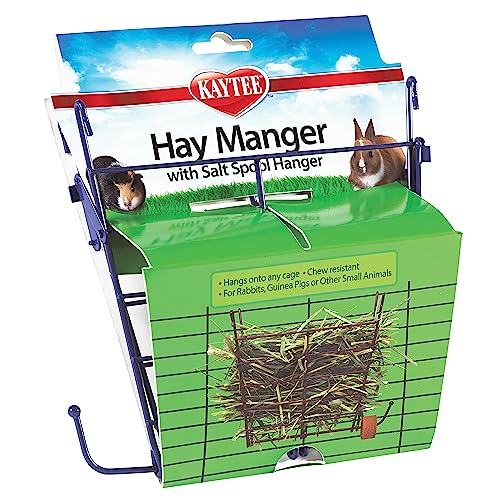
Sometimes rabbits get picky and refuse their hay, especially if they have had too many treats like iceberg lettuce. Hay should make up about 80 percent of your rabbit’s diet. If your bunny is ignoring their hay, stop all treats and greens for a day or two. Offer only fresh hay and water. You can also try a different type of hay, like timothy, orchard, or oat. Using a good rabbit hay rack can keep hay clean and accessible, encouraging your bunny to eat more. If the refusal lasts more than 24 hours, consult your vet to rule out dental issues or illness.
How to Keep Your Rabbit Cool Without Iceberg Lettuce
Many owners reach for iceberg lettuce on hot days because it seems cooling. But there are safer ways to help your rabbit beat the heat. Provide a ceramic tile or a frozen water bottle wrapped in a towel for them to lean against. You can also offer a chilled, wet washcloth for them to lie on. For a truly dedicated solution, check out a rabbit cooling mat designed to stay cool without electricity. Also, make sure your bunny always has fresh, cool water. You can add a few ice cubes to their bowl on extra hot days.
“A rabbit’s gut is a delicate engine, and watery lettuce is like putting low-grade fuel in a high-performance car. Stick to hay and dark greens for a smooth ride.”
Building a Balanced Rabbit Diet
A healthy rabbit diet is simple: unlimited high-quality hay, a small portion of fresh greens daily, and a limited number of pellets. Treats like fruit or carrots should be given sparingly, no more than a teaspoon per two pounds of body weight. Always research any new food before offering it. For example, did you know that while iceberg is bad, herbs like cilantro, basil, and mint are excellent and safe? Your bunny will love the variety. To keep your rabbit active and engaged, provide plenty of enrichment. A rabbit chew toy helps wear down their ever-growing teeth and prevents boredom. Combine that with a spacious rabbit exercise pen to give them room to run and explore. A happy bunny is a healthy bunny.
Frequently Asked Questions About Rabbits and Iceberg Lettuce
- Can rabbits eat the core of iceberg lettuce? No, the core is even more watery and contains higher levels of lactucarium. It offers no benefit and increases the risk of diarrhea. Stick to the darker outer leaves of safer greens.
- Is it okay to feed iceberg lettuce to baby rabbits? No, baby rabbits have very sensitive digestive systems. They should only eat hay and their mother’s milk (or formula) until they are about 12 weeks old. Introduce greens slowly after that, starting with safe options like romaine.
- What should I do if my rabbit has diarrhea after eating iceberg lettuce? Remove all fresh foods immediately and provide only hay and water. If the diarrhea continues for more than 12 hours, or if your rabbit seems lethargic, contact your vet. Diarrhea can quickly lead to dehydration.
- Can rabbits eat other types of lettuce like romaine or butter lettuce? Yes, romaine, red leaf, green leaf, and butter lettuce are safe in moderation. They have more fiber and nutrients than iceberg. Always wash them and introduce them slowly.
- How much lettuce can a rabbit eat per day? For safe lettuces like romaine, offer about one cup of mixed greens per two pounds of body weight daily. This should be part of a varied diet, not the only green. Never feed iceberg as a regular part of their diet.