If you have a dog, you have probably lost a shoe, a remote, or a corner of your coffee table to those little (or not so little) teeth. Chewing is one of the most natural behaviors in dogs, but it can also be one of the most frustrating. The good news is that most chewing is completely normal and manageable once you understand what is driving it. Let’s walk through the most common questions about dog chewing behavior, so you can figure out what your pup is trying to tell you and how to redirect that energy in a way that works for both of you.
Why Do Dogs Chew in the First Place?
Dogs explore the world with their mouths, just like human babies do with their hands. Chewing is a way for them to investigate new smells, textures, and tastes. But there are several specific reasons your dog might be chewing more than usual:
- Teething: Puppies go through a teething phase between 3 and 6 months old, and their sore gums make them want to gnaw on anything to relieve the pressure.
- Boredom: A dog who is left alone for long hours or doesn’t get enough physical and mental exercise will often find their own entertainment, and that usually means chewing.
- Anxiety: Separation anxiety or stress can trigger chewing as a calming mechanism. This type of chewing is often focused on items that smell like you, like your socks or pillows.
- Instinct: Some breeds, like retrievers and terriers, were bred to carry things in their mouths or hunt, so chewing is hardwired into their DNA.
- Hunger or nutritional needs: In rare cases, a dog might chew on non-food items if they are missing certain nutrients, but this is uncommon if they are on a balanced diet.
Understanding the root cause is the first step to solving the problem. For example, if your dog chews when you leave the house, that points to anxiety, not just boredom. If they chew only when they are alone and have plenty of toys, it might be a sign of separation distress. If you suspect anxiety is the main driver, it is always a good idea to talk to your vet about behavior strategies or calming aids.
Is Chewing a Sign of a Bigger Problem?
Most chewing is normal, but sometimes it can be a red flag. If your dog is chewing on dangerous items like electrical cords, rocks, or plastic, that is a safety issue. Also, if the chewing is compulsive, meaning they do it for hours and can’t be distracted, it could be a sign of obsessive-compulsive disorder or a medical issue like gastrointestinal discomfort. Another thing to watch for is if your dog is chewing on their own body, like their paws or tail, which can indicate allergies, skin irritation, or anxiety. If you notice any of these signs, or if the chewing is accompanied by vomiting, diarrhea, or lethargy, please check with your vet to rule out any underlying health problems.
Did you know that a dog’s jaw can exert up to 300 pounds of pressure per square inch? That is more than enough to crush a hard bone or chew through a plastic toy in minutes. That is why choosing the right chew toy matters so much, especially for powerful chewers.
How Do I Stop My Dog From Chewing My Furniture?
The best way to stop destructive chewing is not to punish the behavior, but to manage the environment and provide better alternatives. Here is a step-by-step approach that actually works:
- Puppy-proof your home: Keep shoes, remote controls, and other tempting items out of reach. Use baby gates to block off rooms where you can’t supervise.
- Provide appropriate chew toys: Offer a variety of textures, like rubber, nylon, and rope. Rotate them every few days to keep them interesting. For heavy chewers, look for toys that are specifically designed for power chewers, like those made from tough rubber or with ridges that clean teeth.
- Make the forbidden items taste bad: You can use a bitter apple spray or a homemade mixture of vinegar and water on furniture legs and cords. Most dogs find the taste unpleasant and will back off.
- Increase exercise and mental stimulation: A tired dog is a good dog. Make sure your pup gets at least 30 minutes of physical activity a day, plus some brain games like puzzle toys or hide-and-seek. If you have a high-energy breed like a Bernese Mountain Dog, you might need even more exercise. Check out this guide on how much exercise a Bernese Mountain Dog needs to get an idea of breed-specific requirements.
- Teach the ‘leave it’ command: This is a lifesaver. Start by holding a treat in your closed fist, say ‘leave it,’ and only open your hand when they stop trying to get it. Practice with different objects, and eventually, they will learn to ignore your stuff on command.
Remember, consistency is key. If you let them chew on an old shoe sometimes, they will not understand why your new sneakers are off-limits. Make sure everyone in the house follows the same rules.
What Are the Best Chew Toys for Aggressive Chewers?
Not all chew toys are created equal. If your dog is a power chewer, you need to choose toys that can stand up to their jaw strength. Here are some categories that tend to work well:
- Rubber toys with a hollow center: These are great because you can stuff them with peanut butter or treats, which keeps your dog busy and satisfies their urge to chew. Look for ones made from natural rubber, like Kongs, which are durable and flexible.
- Nylon bones: These are hard and long-lasting, but they can be too hard for some dogs and may cause tooth fractures. Always supervise your dog with nylon toys and replace them if they get sharp edges.
- Rope toys: These are good for tugging and also help clean teeth, but they can be shredded. If your dog ingests the strings, it can cause a blockage, so only give rope toys under supervision.
- Dental chews: These are softer and designed to clean teeth while satisfying the chew urge. They are not as durable, but they are a good option for moderate chewers.
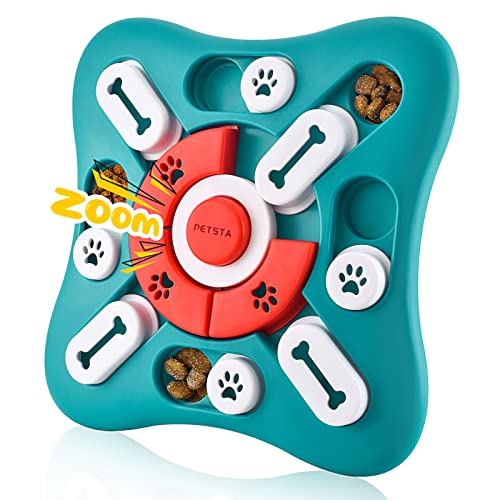
When you pick a toy, think about your dog’s size and chewing style. A toy that is too small can be a choking hazard. Always inspect toys regularly for wear and tear, and replace them when they start to break apart. If you have a dog that loves to carry things around, you might also consider a soft plush toy, but be prepared to replace it often. For dogs that are especially oral, you might also want to look into puzzle toys that dispense treats, as they combine mental stimulation with the physical act of chewing.
Why Does My Dog Chew Only When I’m Away?
If your dog only chews when you are not home, that is a classic sign of separation anxiety. This is not just about being bored; it is a panic response. Dogs with separation anxiety may also pace, drool, bark, or have accidents in the house. The chewing is a way to self-soothe, and it often targets items that smell like you, because that brings them comfort.
Here is what you can do to help your dog feel more secure:
- Practice short departures: Start by leaving for just a few minutes and gradually increase the time. This helps your dog learn that you always come back.
- Create a safe space: Give your dog a cozy crate or a quiet room with their bed and some of your old clothes that smell like you. You can also leave a radio or TV on for background noise.
- Use a calming aid: There are pheromone diffusers, calming treats, and anxiety wraps that can take the edge off. Talk to your vet about what might work best for your dog.
- Don’t make a big deal out of leaving: Keep your goodbyes short and low-key. This reduces the emotional spike your dog feels when you walk out the door.
If the anxiety is severe, you should definitely consult your vet or a professional dog trainer. They can help you develop a behavior modification plan. And if you are considering adding a cat to the family, you might wonder if they will get along with your dog. That is a whole other topic, but you can read about whether Siamese cats get along with dogs to get some insights on multi-pet households.
Should I Punish My Dog for Chewing?
No, punishment is not effective and can actually make the problem worse. If you scold your dog after the fact, they will not connect the punishment to the chewing, because dogs live in the moment. They will just see you as unpredictable and scary, which can increase their anxiety and lead to more destructive behavior. Instead, focus on prevention and positive reinforcement. When you catch your dog chewing on something they shouldn’t, calmly say ‘no’ and redirect them to an appropriate chew toy. When they chew on the toy, praise them enthusiastically. Over time, they will learn that chewing on their toys brings good things, while chewing on your stuff does not.
“A tired dog is a good dog, but a mentally stimulated dog is a happy dog. Chewing is their way of working their brain, so give them a job that doesn’t involve your favorite shoes.”
Also, remember that some breeds are more prone to chewing than others. For example, the Bernese Mountain Dog is a working breed that loves to have a job, and they may chew more if they are under-stimulated. If you have one of these gentle giants, it is even more important to provide plenty of exercise and mental challenges. You can learn more about their temperament and care in this article on whether Bernese Mountain Dogs are good with children, which also touches on their activity needs.
When Does Puppy Chewing Stop?
Puppy chewing is a phase, but it can last longer than you hope. Most puppies are done teething by 6 months of age, but the chewing habit might continue until they are about 1 to 2 years old, especially for larger breeds. The key is to be patient and consistent. Keep providing appropriate chew toys, and make sure your puppy gets plenty of exercise. If you have a puppy, you might also want to consider crate training, which can help with both chewing and housebreaking. A crate gives them a safe den where they can’t get into trouble, and it also helps with separation anxiety. Just make sure the crate is not used as a punishment, and always give them a comfortable bed and a chew toy inside.
In the meantime, you can also work on teaching your puppy bite inhibition. This means teaching them to control the force of their bite. When they bite too hard during play, let out a high-pitched yelp and stop playing for a few seconds. This mimics what their littermates would do and teaches them to be gentle. It is a lot of work, but it pays off in the long run.
Chewing is a normal part of being a dog, and with the right approach, you can keep your belongings safe and your pup happy. If you have a dog that sheds a lot, you might also be dealing with the extra hair on your floors, but that is a separate challenge. You can read about how much Bernese Mountain Dogs shed to prepare for that. But for now, focus on the chewing, and remember that every chewed shoe is just a sign that your dog loves you and needs a better outlet.