If your rabbit has started sneezing or has watery eyes, you might immediately worry about an infection. But just like people, rabbits can get hay fever too. Seasonal allergies in rabbits are more common than many owners realize, and the symptoms can look a lot like a respiratory infection. Knowing the difference is key to giving your bunny the right care. In this article, we will walk through the specific signs of hay fever in rabbits, how to tell it from something more serious, and simple ways to make allergy season easier for your pet.
What Is Hay Fever in Rabbits?
Hay fever, also called allergic rhinitis, happens when a rabbit’s immune system overreacts to airborne particles like pollen, dust, or mold spores. Unlike humans who sneeze and get itchy eyes, rabbits react a little differently. Their nasal passages become inflamed, leading to clear discharge and sneezing fits. The condition is not contagious and usually seasonal, flaring up in spring and summer when pollen counts are high. However, indoor rabbits can also react to dust from hay, bedding, or even household cleaners. If your rabbit spends time in an outdoor exercise pen, they may be exposed to more grass and tree pollen, which can trigger symptoms.
Key Symptoms of Hay Fever in Rabbits
Spotting hay fever early can save your rabbit a lot of discomfort. The symptoms are often mild at first and may come and go. Here are the most common signs to watch for:
- Sneezing: Frequent, sudden sneezes, often in bursts. Unlike a cold, the sneezes are dry and not followed by thick mucus.
- Clear nasal discharge: A thin, watery fluid from the nose. If the discharge turns thick, yellow, or green, it is likely an infection, not allergies.
- Watery eyes: Eyes may look wet or have clear tears running down the face. The whites of the eyes may appear slightly pink but not swollen.
- Rubbing the face: Your rabbit might rub its nose or eyes against the floor, furniture, or their hideout to try to relieve the itchiness.
- Occasional coughing or snorting: Some rabbits make a soft snorting sound when they try to clear their nasal passages.
- No change in appetite or energy: This is the biggest clue. A rabbit with hay fever will still eat, drink, and binky around. If they stop eating or become lethargic, it is not just allergies.
How to Tell Hay Fever from a Respiratory Infection
This is the most important distinction to make. A respiratory infection, often caused by bacteria like Pasteurella multocida, is serious and requires veterinary treatment. Hay fever is uncomfortable but not life-threatening. Here is how to tell them apart:
Clear discharge and a happy, eating rabbit point to allergies. Thick, colored discharge and a sick, quiet rabbit point to infection.
If your rabbit has thick yellow or green nasal discharge, crusty eyes, labored breathing, or a loss of appetite, call your vet immediately. Those are signs of an infection, not hay fever. Also, if the sneezing is accompanied by a head tilt or discharge from only one nostril, that can indicate a dental abscess or other issue. When in doubt, always ask your vet. It is better to be safe, especially since rabbits hide illness so well.
Home Care and Environmental Changes
If you are sure your rabbit has hay fever, there are several things you can do at home to reduce their exposure to allergens. Start by changing their environment:
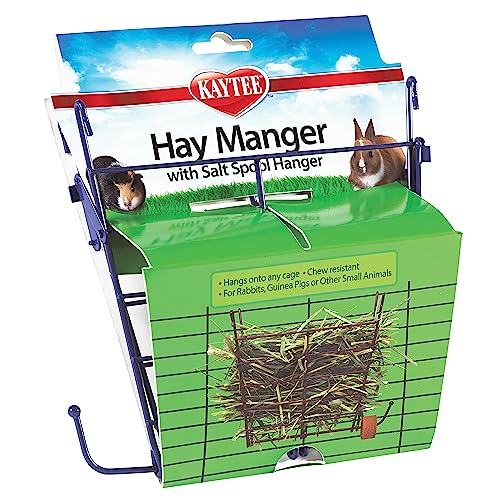
- Switch to dust-free hay: Many rabbits react to the dust in regular hay. Look for hay labeled as dust-extracted or low-dust. You can also store hay in a hay rack to keep it off the ground and reduce dust kicked up from bedding.
- Use a HEPA air purifier: Place one near your rabbit’s living area to trap pollen, dust, and mold spores. This alone can cut symptoms by half.
- Wipe down surfaces: Damp dust shelves and vacuum with a HEPA filter vacuum to remove settled allergens. Avoid using strong chemical cleaners or air fresheners.
- Limit outdoor time during high pollen days: If your rabbit uses an outdoor run, bring them inside when pollen counts are highest, usually mid-morning and early evening. You can check local pollen forecasts online.
- Offer a cool, clean space: Allergies can make a rabbit feel warm and stuffy. A cooling mat can help them stay comfortable if they feel overheated from sneezing or congestion.
Rabbits are obligate nasal breathers, meaning they can only breathe through their nose. This is why even mild nasal congestion from hay fever can make them feel very uncomfortable. Keeping their air clean is not just about comfort, it is essential for their breathing.
When to See a Vet
While hay fever is generally harmless, you should still monitor your rabbit closely. If symptoms last longer than two weeks or get worse despite your home changes, schedule a vet visit. The vet can rule out other causes like dental disease, nasal polyps, or a low-grade infection. They may also recommend a safe antihistamine if the allergies are severe. Never give your rabbit any human allergy medication without a vet’s approval, as dosages and ingredients can be toxic. Always keep your rabbit’s environment clean, provide plenty of fresh water, and make sure they have a quiet, stress-free spot to rest. A calm rabbit handles allergies much better than a stressed one.
Preventing Hay Fever Flare-Ups
Prevention is really about managing your rabbit’s environment year-round. Here are a few long-term strategies:
- Choose low-dust bedding: Avoid wood shavings like pine or cedar, which release aromatic oils and dust. Use paper-based bedding or aspen shavings instead.
- Wash bedding regularly: Wash your rabbit’s blankets and soft items in hot water with a fragrance-free detergent once a week.
- Keep windows closed on high pollen days: If you need fresh air, run a fan with a filter rather than opening windows wide.
- Groom your rabbit outdoors: Brush your rabbit outside to keep loose fur and dander from building up indoors. A good grooming brush can help remove excess fur that traps allergens.
With a few adjustments, you can make allergy season much more bearable for your bunny. Watch for the signs, keep their space clean, and always trust your gut if something feels off. Your rabbit depends on you to notice the small changes, and now you know exactly what to look for.