You love your dog like family, so you make sure they get good food, fresh water, and a cozy spot to sleep. But there is one daily task that is easy to overlook: cleaning their bowls. It might seem like a small thing, but a dirty bowl can be a breeding ground for bacteria that can make your dog sick. The good news is that keeping their bowls clean is simple and takes just a minute of your day. Here is exactly how often you should clean dog bowls and why it matters so much.
Clean the Food Bowl After Every Single Meal
This is the golden rule. You should wash your dog’s food bowl with hot, soapy water after every meal. Think about it: leftover bits of wet food, saliva, and warm kitchen air create the perfect environment for bacteria like salmonella and E. coli to multiply. Even if the bowl looks dry, a slimy biofilm can form. If you feed dry kibble, you might think it stays clean, but oils from the food and your dog’s saliva still leave residue. A quick wash with dish soap and a dedicated sponge (not the one you use for your own dishes) is all it takes. For an extra layer of safety, you can run the bowl through the dishwasher on a hot cycle once a week.
Water Bowls Need a Daily Scrub Too
Water bowls are just as important as food bowls. You should rinse and scrub your dog’s water bowl with soap and water every single day. Stagnant water collects dust, debris, and bacteria from your dog’s mouth. If you leave it for a few days, you might notice a slimy layer on the sides, that is a bacterial biofilm. This can lead to dental issues and upset stomachs. Change the water itself at least twice a day, but the bowl needs a proper wash daily. If your dog is a heavy drooler, like a Bernese Mountain Dog who drools quite a bit, you might need to wash the water bowl even more often to keep it fresh.
Stainless Steel Is Your Best Bet for Bowls
Not all bowls are created equal. Stainless steel bowls are the safest and easiest to keep clean. They are non-porous, which means bacteria cannot hide in tiny scratches. They are also dishwasher safe. Ceramic bowls can work well too, but only if the glaze is intact. Avoid plastic bowls entirely. Plastic gets scratched easily, and those scratches become permanent homes for bacteria that are nearly impossible to clean out. Plastic can also cause a condition called plastic dish dermatitis, which leads to chin acne and skin irritation, especially in breeds with short snouts. If you notice your dog getting pimples or red bumps on their chin, switching to stainless steel might solve the problem.
Did you know that a study by the National Sanitation Foundation found that pet bowls are the fourth most germ-laden item in the average home? They rank right behind kitchen sponges, sinks, and toothbrush holders. A quick daily wash keeps those germs away.
What About Slow Feeders and Puzzle Bowls?
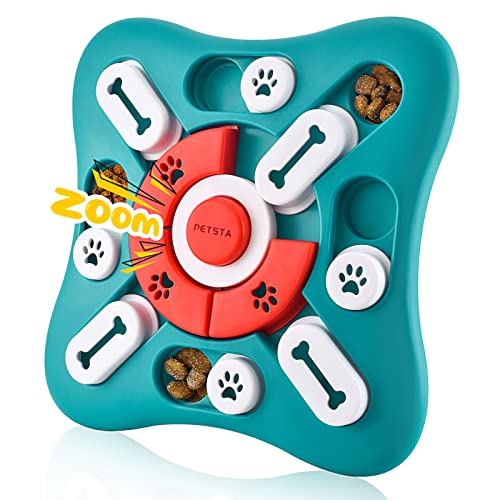
Slow feeder bowls and puzzle bowls have lots of nooks and crannies, which makes them harder to clean. You still need to wash them after every meal, but you have to be more thorough. Use a small bottle brush to get into the ridges and crevices where food paste can hide. If your slow feeder is made of plastic, check it regularly for scratches. Once you see deep scratches, it is time to replace it. If you have a multi-pet household with both a dog and a cat, you might also be wondering about their interactions. For example, if you are considering adding a cat to your home, you can read up on whether Norwegian Forest Cats are good with dogs to help plan a smooth introduction.
Signs You Are Not Cleaning Often Enough
How do you know if your cleaning routine is falling short? Look for these signs. If the bowl feels slimy or has a film after you rinse it, you are not using soap. If you smell a sour or funky odor coming from the bowl, bacteria is thriving. If your dog starts leaving food, licking the floor instead of the bowl, or showing signs of an upset stomach like vomiting or diarrhea, a dirty bowl could be the cause. Also, if you notice your dog’s chin breaking out in red bumps or pimples, that is often a direct result of bacteria from a dirty bowl or a plastic bowl. Switching to stainless steel and washing daily usually clears it up within a week.
Quick Tips for a Foolproof Bowl Cleaning Routine
Make it easy on yourself. Keep a dedicated brush or sponge just for pet bowls under the sink. Wash the bowls as soon as your dog finishes eating, before the food dries on. If you use a dishwasher, place the bowls on the top rack and use the heated dry cycle. For water bowls, give them a quick scrub every morning when you make your own coffee. If you travel with your dog, bring collapsible silicone bowls, but wash them as soon as you get home. And if you have a large breed like a Bernese Mountain Dog who sheds a lot, you might find fur floating in the water bowl, so rinse it out more frequently throughout the day.
“A clean bowl is one of the cheapest, easiest ways to keep your dog healthy. It takes 60 seconds and can save you a vet bill.”
When to Replace Bowls Entirely
Even with perfect cleaning, bowls wear out over time. Stainless steel bowls can last for years, but check for dents or rust spots. Ceramic bowls can chip, and those chips can harbor bacteria and even cut your dog’s tongue. Replace any bowl that has cracks, chips, deep scratches, or rust. As a general rule, buy new bowls every one to two years. If you have a puppy that chews on everything, you might need to replace them more often. And if you are thinking about getting a second dog, you might also be curious about how different breeds get along. For instance, many owners wonder if Maine Coon cats are good with dogs when planning a multi-pet household.
If your dog seems healthy but you are still worried about their bowl hygiene, just ask your veterinarian at the next checkup. They can give you specific advice based on your dog’s breed, age, and health. A clean bowl is a simple act of love that keeps your dog happy, healthy, and ready for their next meal.