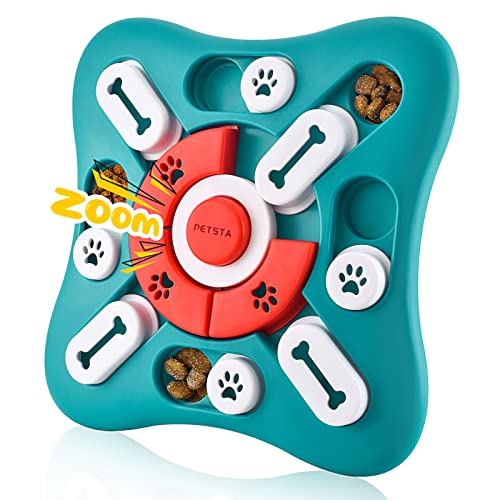
You love your dog, and you feed them the best food you can find. But have you ever stopped to think about the bowl itself? That seemingly innocent dish can become a breeding ground for bacteria, slime, and even mold if you don’t clean it often enough. The short answer is simple: wash your dog’s food bowl after every single meal. Yes, every meal. Here’s why it matters and exactly how to do it right.
Why Daily Cleaning Is Non-Negotiable
Think about what happens in your dog’s bowl. Moisture, leftover food particles, and saliva create the perfect environment for bacteria like Salmonella, E. coli, and Staphylococcus to multiply. A study by the National Sanitation Foundation found that pet bowls are one of the top five germiest spots in a home, right up there with kitchen sinks and cutting boards. Even if your dog licks the bowl clean, a biofilm of bacteria remains. That’s why a quick rinse under the tap doesn’t cut it. You need hot, soapy water or a dishwasher cycle after each use. If your dog is a breed prone to skin allergies or sensitive stomachs, like an Australian Shepherd, keeping their bowl spotless is even more critical to avoid flare-ups.
How to Wash Your Dog’s Bowl the Right Way
Washing a dog bowl isn’t complicated, but there is a right way to do it. Start by scraping out any leftover food into the trash. Then wash the bowl with hot water and dish soap, using a dedicated sponge that you don’t use for human dishes to avoid cross-contamination. Scrub all surfaces, including the bottom and the rim, where bacteria love to hide. Rinse thoroughly with hot water and dry with a clean towel or let it air dry completely before the next meal. If your bowl is dishwasher-safe, run it on the hottest cycle with a sanitizing setting if available. Stainless steel bowls are the easiest to clean and most durable, which is why many experts recommend them for large breeds. For example, if you own a Cane Corso, choosing the right bowl can also help reduce neck strain while keeping hygiene simple.
Deep Sanitizing: The Weekly Boost
In addition to daily washing, give your dog’s bowl a deeper sanitizing treatment once a week. You can soak the bowl in a solution of one tablespoon of unscented chlorine bleach per gallon of water for about 10 minutes. Rinse extremely well afterward to remove any bleach residue. Alternatively, you can use a pet-safe sanitizing spray or simply run the bowl through the dishwasher on a heavy-duty cycle. This extra step kills any lingering bacteria that daily washing might miss, especially if your dog eats raw food or wet food, which leaves more residue. If your dog is a puppy or a senior with a weaker immune system, weekly sanitizing is a must. For Australian Shepherd puppies, pairing a clean bowl with the right best dog food for Australian Shepherd puppies supports healthy growth and digestion.
Did you know that a dog’s mouth carries over 600 types of bacteria? That’s one reason why their bowl gets so grimy so fast. Washing it daily isn’t just about cleanliness, it’s about keeping those bacteria from multiplying into dangerous levels.
What About Water Bowls?
Water bowls need just as much attention as food bowls. Change the water at least once a day and wash the bowl daily with soap and water. Stagnant water can grow algae, bacteria, and even mosquito larvae in warm weather. If your dog drinks from a stainless steel bowl, it will stay cooler and resist bacterial growth better than plastic or ceramic. For dogs that drool heavily or have floppy jowls, like Cane Corsos, water bowls can get slimy fast, so washing them twice a day may be necessary. A well-designed bowl can make a big difference, and the right best dog bowls for Cane Corsos often feature wide bases and non-slip rims that are easier to keep clean.
Signs Your Dog’s Bowl Needs Immediate Cleaning
You don’t always need a timer to know when to clean. If you see a slimy film on the surface, smell a sour odor, or notice visible food residue, it’s past time for a wash. Also, if your dog starts turning up their nose at meal time, a dirty bowl could be the culprit. Some dogs are sensitive to the taste of old food or bacteria. If your dog has been vomiting, has diarrhea, or is licking their lips excessively, a contaminated bowl might be the cause. In those cases, wash the bowl immediately and sanitize it. If symptoms persist, ask your vet for guidance. A clean bowl is a simple step that can prevent a lot of discomfort.
A clean bowl is a simple act of love that protects your dog from the inside out.
Does the Bowl Material Matter for Cleaning?
Yes, the material of the bowl affects how easy it is to clean and how quickly it harbors bacteria. Stainless steel is the best choice because it is non-porous, dishwasher-safe, and doesn’t leach chemicals. Ceramic bowls are also good if they have a food-safe glaze and no cracks where bacteria can hide. Plastic bowls are the worst option because they get scratched easily, creating tiny grooves where bacteria thrive and are nearly impossible to clean fully. If you use a plastic bowl, replace it as soon as you see scratches. For slow eaters or dogs that gulp their food, a slow feed dog bowls for Australian Shepherds made of stainless steel or ceramic combine hygiene with healthy eating habits.
How to Make Cleaning a Habit
The easiest way to stay on top of bowl cleaning is to make it part of your routine. Wash the bowl right after your dog finishes eating, while you’re still in the kitchen. Keep a dedicated sponge and dish soap near your dog’s feeding station. If you use a dishwasher, toss the bowl in with your dinner plates every evening. Set a weekly reminder on your phone for the deep sanitizing soak. Your dog can’t tell you when their bowl is dirty, but they rely on you to keep it clean. A few seconds of effort each day can save you a trip to the vet and keep your best friend feeling great.